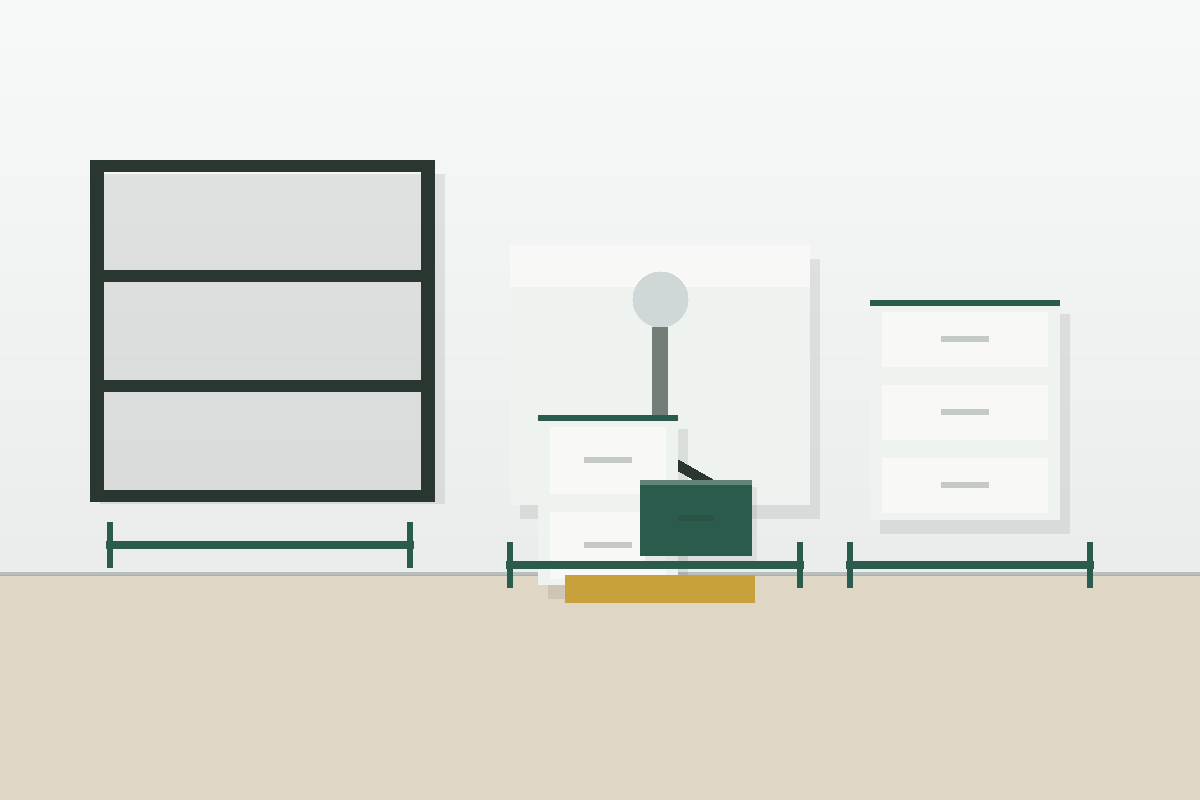
The short answer
What usually works
Prevent returns, awkward gaps, blocked doors, and wasted storage by measuring the usable zone before shopping.
- Usable space is different from visible wall width or cabinet outside dimensions.
- Hinges, pipes, baseboards, outlets, vents, knobs, and door swing often decide whether storage fits.
- A half-inch buffer can save a purchase from scraping, sticking, or blocking a door.
Who this guide helps
- Online shoppers
- Move-in planning
- Rental kitchens
- Closet upgrades
Product-type comparison
| Option | Best for | Check before buying |
|---|---|---|
| Closet shelf | Width, depth, height to rail | Leave room for labels and hands |
| Under-sink cabinet | Pipe location, door lip, usable height | Keep valves visible |
| Narrow gap | Top width, bottom width, baseboard depth | Appliances and walls are rarely perfectly straight |
| Entryway | Door swing, walkway width, bench depth | Tape the footprint on the floor |
How to choose
- Usable dimensions: Inside space is what matters for organizers.
- Access clearance: Drawers, lids, and doors need room to open.
- Obstacles: Note hinges, pipes, outlets, vents, knobs, and baseboards.
- Human space: Storage should not make walking, sitting, or cleaning harder.
Measure before buying
A good measurement checklist records the usable space, the access path, the obstacles, and the human movement around the storage.
- Usable interior: Measure inside width, depth, and height after trim, hinges, lips, pipes, and baseboards are accounted for.
- Opening clearance: Check whether doors, drawers, lids, wheels, and baskets can open without hitting another surface.
- Obstacle map: Mark outlets, vents, valves, knobs, tracks, uneven floors, and wall trim before shopping.
- Handling space: Leave room for your hand, body, broom, vacuum, or laundry basket to use the storage daily.
Apartment size scenarios
Use these examples to translate the guide into a real apartment layout before you compare products.
Under-sink cabinet
Measure pipe location, valve access, door lip, and usable height before choosing drawers or shelves.
Narrow cart gap
Measure top width, bottom width, baseboard depth, and nearby handle clearance.
Entryway bench
Tape the footprint on the floor and test the door swing before buying.
Choose it if / skip it if
Choose it if
- You are buying bins, shelves, carts, benches, cabinet organizers, or under-sink storage online.
- The apartment has awkward trim, pipes, hinges, door swing, or narrow paths.
- You want fewer returns and better product-page comparisons.
Skip it if
- You cannot access the apartment yet and the product is exact-fit.
- The listing does not provide the dimensions that decide fit.
- The organizer needs clearance you have not measured.
Common small-space mistakes
- Measuring wall width but forgetting door swing.
- Buying under-sink storage before mapping pipes and valves.
- Forgetting baseboards when buying narrow carts or shelves.
Layout fit examples
Use the product type as a match for a specific apartment layout, not as a universal fix. The same organizer can feel excellent in one zone and annoying in another if reach, door swing, lighting, or cleaning access is wrong.
Often works well
- Closet shelf: strongest for width, depth, height to rail.
- Under-sink cabinet: strongest for pipe location, door lip, usable height.
- Narrow gap: strongest for top width, bottom width, baseboard depth.
Check twice when
- Closet shelf: check twice when leave room for labels and hands.
- Under-sink cabinet: check twice when keep valves visible.
- Narrow gap: check twice when appliances and walls are rarely perfectly straight.
Product page checks
Before treating an item as a serious candidate, verify the current retailer page rather than relying on a photo or a short product title. Small-space storage fails most often when the listed size, material, mounting method, or return policy is ignored.
- Exact dimensions: Compare listed width, depth, height, and clearance to the measured apartment zone for this renter-friendly shelving project.
- Material and finish: Confirm whether the surfaces are plastic, metal, fabric, bamboo, wire, or MDF because cleaning, moisture tolerance, and durability change quickly by material.
- Assembly and removal: Look for required tools, wall fasteners, adhesive cure times, leveling feet, wheels, or hardware that could affect a rental or a future move.
- Load and daily use: Match the stated load limit to the heaviest realistic contents, then ask whether the item will still be easy to open, pull, lift, or clean when full.
- Return window: Check the retailer return policy before ordering large or assembled items, especially when the fit depends on a narrow closet, cabinet, or entryway.
Apartment fit note
The best measurement is the one you can use while shopping. Keep dimensions in your phone with notes about obstacles and clearance.
Pros and cons
Pros
- Prevents returns
- Helps compare products faster
- Improves fit in awkward rentals
Cons
- Takes time upfront
- Irregular spaces need multiple measurements
- Product listings can be incomplete
Alternative: If you cannot measure yet, buy adjustable organizers or wait until move-in day for exact-fit pieces.
Small-space setup steps
- Sketch each zone as a simple rectangle and mark obstacles.
- Measure width, depth, height, and access clearance.
- Add a half-inch buffer for bins and more for items that slide or roll.
Product examples to compare
Use these links as starting points for comparing dimensions, materials, availability, retailer policies, and whether the item fits your measured space.
Related small-space guides
Continue with guides that solve the next storage decision in the same apartment zone.
FAQ
What measurements should I take before buying storage?
Measure usable width, depth, height, door or drawer clearance, obstacles, and the space your body needs to walk, sit, open, or clean around the storage.
Should I measure before moving into an apartment?
Measure what you can before move-in, but wait on exact-fit organizers until you can check baseboards, hinges, pipes, outlets, and door swing in person.
How much clearance should storage bins have?
Leave enough space for your hand to pull the bin, for lids to open, and for labels to face outward. Tight bins are harder to use every day.
What dimensions matter most on product pages?
Look for exterior footprint, usable interior capacity, drawer or lid clearance, shelf spacing, and any hardware or wheel height that changes real fit.
How do I measure an awkward cabinet or closet?
Sketch the space as a rectangle, mark obstacles, measure the narrowest points, and write down both the ideal size and the maximum size that can still open or slide.