The short answer
What usually works
Spend first on organizers that solve repeated clutter problems and can move between rooms or apartments.
- The best budget organizers are transferable: bins, dividers, risers, hooks, labels, and hangers.
- A cheap item is not a good deal if it fits only one odd corner or breaks during the next move.
- Testing categories with boxes and labels for a week prevents overbuying.
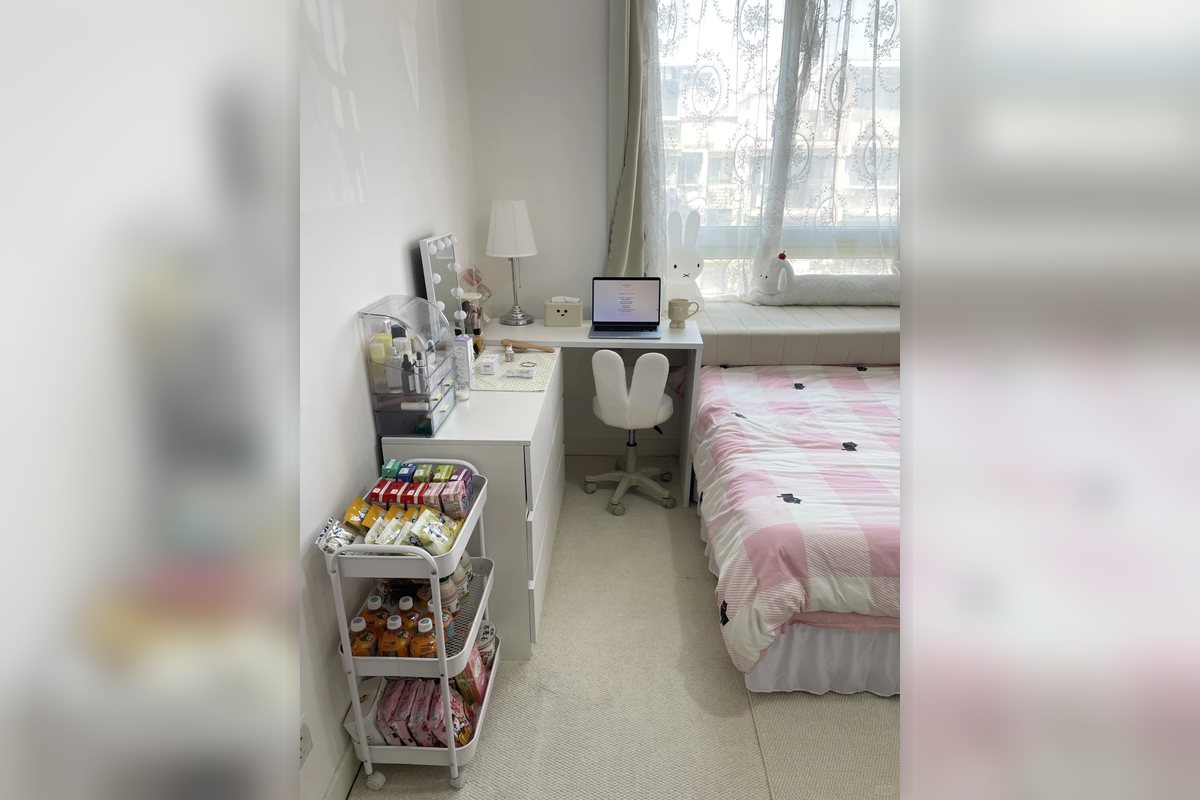
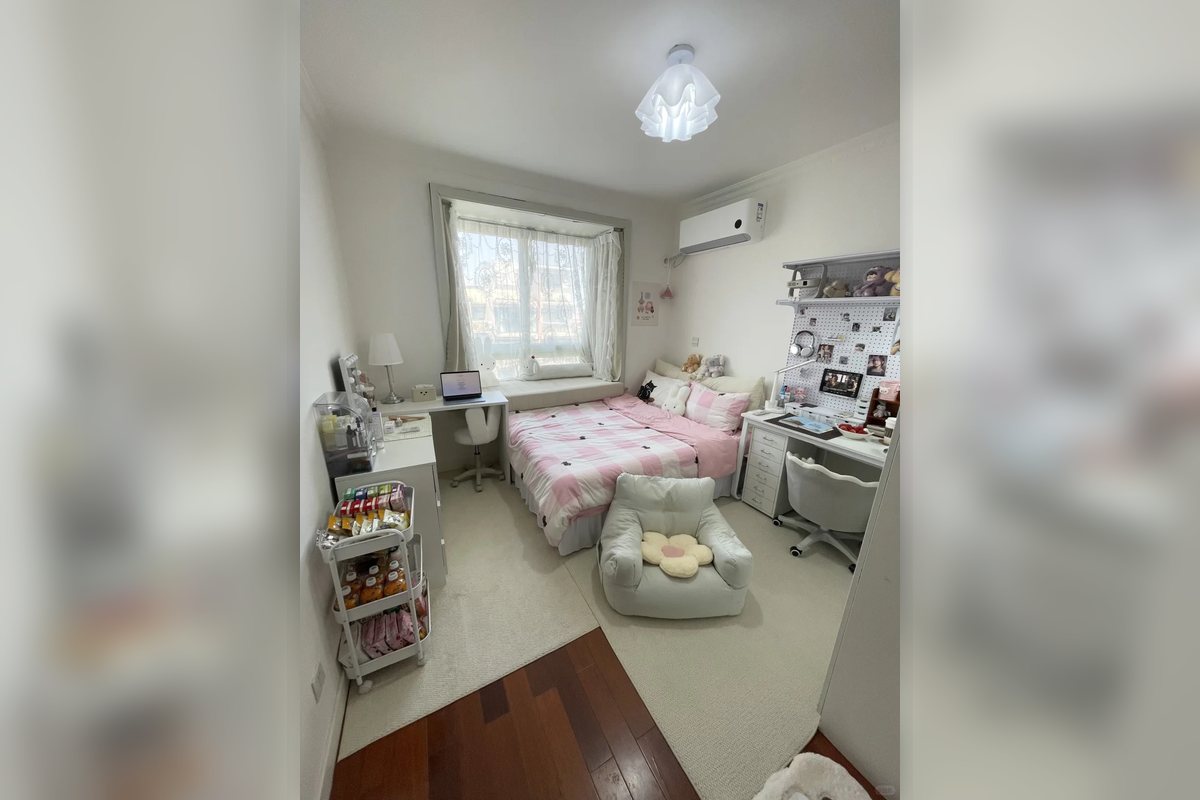
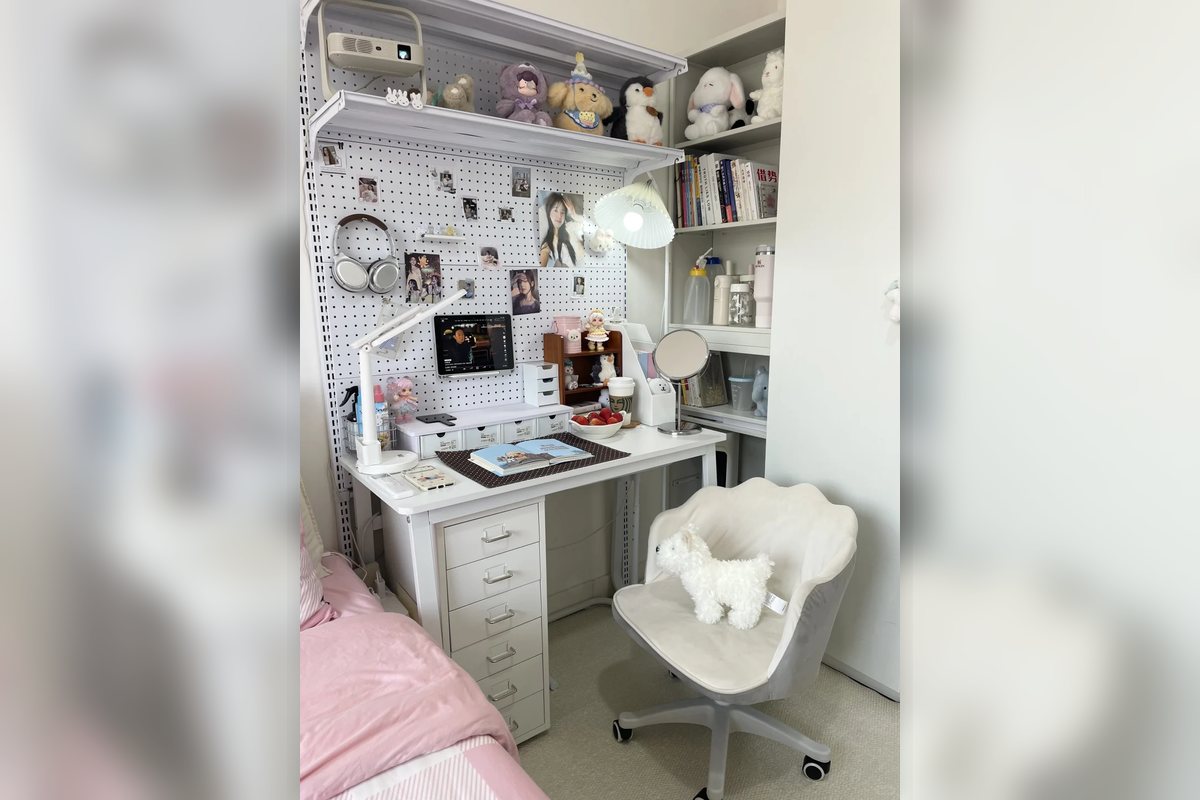
More apartment layout examples
Use these storage setups as fit checks before choosing bins, shelves, drawers, or no-drill organizers for a rental.
Who this guide helps
- First apartments
- Budget resets
- Move-in weekends
- Students and new renters
Product-type comparison
| Option | Best for | Check before buying |
|---|---|---|
| Slim hangers | Closets | Buy after editing clothes |
| Clear bins | Pantry, utility, closet shelves | Choose repeatable sizes |
| Drawer dividers | Dressers, desks, kitchens | Measure internal drawer height |
| Shelf risers | Kitchen cabinets and closets | Check vertical clearance |
How to choose
- Transferability: Budget pieces should work in future rooms too.
- Problem fit: Buy for a recurring pile, not a Pinterest image.
- Quantity: Start small; a few useful organizers beat a closet full of unused extras.
- Durability: Cheap items should still survive cleaning and moving.
Measure before buying
Budget organization should start with transferable basics that solve repeated clutter in more than one room.
- Top three zones: Identify the three messiest zones before shopping so the budget goes to real friction points.
- Repeatable sizes: Choose bins, labels, and dividers that can move between closets, kitchens, bathrooms, and shelves.
- Visible style: Use one consistent visible bin color or material so budget storage still looks intentional.
- Move durability: Check whether the organizer can survive cleaning, packing, and the next apartment.
Apartment size scenarios
Use these examples to translate the guide into a real apartment layout before you compare products.
400 sq ft first apartment
Start with slim hangers, a few clear bins, labels, one caddy, and drawer dividers before buying exact-fit furniture.
First apartment weekend
Buy universal basics only, then wait on exact-fit shelves and carts until routines settle.
Student apartment
Choose organizers that can pack flat or move rooms, such as bins, labels, hangers, and caddies.
Visible living-room shelves
Use one fabric bin style instead of mixed bargain bins that make the room look busier.
Choose it if / skip it if
Choose it if
- You need a first round of affordable organizers for a small apartment.
- You want items that work across rooms instead of exact-fit furniture.
- You can buy one zone at a time after measuring.
Skip it if
- You are buying full matching sets before categories are clear.
- The cheap item fits only one odd corner or weak material.
- You are solving a photo-style problem instead of a repeated pile.
Common small-space mistakes
- Buying too many bins before testing categories.
- Mixing many colors and styles in visible spaces.
- Spending the budget on exact-fit furniture before move-in measurements are real.
Layout fit examples
Use the product type as a match for a specific apartment layout, not as a universal fix. The same organizer can feel excellent in one zone and annoying in another if reach, door swing, lighting, or cleaning access is wrong.
Often works well
- Slim hangers: strongest for closets.
- Clear bins: strongest for pantry, utility, closet shelves.
- Drawer dividers: strongest for dressers, desks, kitchens.
Check twice when
- Slim hangers: check twice when buy after editing clothes.
- Clear bins: check twice when choose repeatable sizes.
- Drawer dividers: check twice when measure internal drawer height.
Product page checks
Before treating an item as a serious candidate, verify the current retailer page rather than relying on a photo or a short product title. Small-space storage fails most often when the listed size, material, mounting method, or return policy is ignored.
- Exact dimensions: Compare listed width, depth, height, and clearance to the measured apartment zone for this renter-friendly shelving project.
- Material and finish: Confirm whether the surfaces are plastic, metal, fabric, bamboo, wire, or MDF because cleaning, moisture tolerance, and durability change quickly by material.
- Assembly and removal: Look for required tools, wall fasteners, adhesive cure times, leveling feet, wheels, or hardware that could affect a rental or a future move.
- Load and daily use: Match the stated load limit to the heaviest realistic contents, then ask whether the item will still be easy to open, pull, lift, or clean when full.
- Return window: Check the retailer return policy before ordering large or assembled items, especially when the fit depends on a narrow closet, cabinet, or entryway.
Apartment fit note
The strongest budget kit is simple: slim hangers, a few clear bins, shelf risers, drawer dividers, labels, hooks, and one caddy.
Pros and cons
Pros
- Keeps spending focused
- Solves common clutter quickly
- Move-friendly
Cons
- Budget pieces vary in quality
- Starter lists can miss unusual layouts
- Overbuying still wastes money
Alternative: Use cardboard boxes and painter's tape labels for two weeks to test categories before buying bins.
Small-space setup steps
- Pick the three messiest zones in the apartment.
- Buy only the organizer that solves each zone's main problem.
- Wait one week before purchasing duplicates or matching sets.
Product examples to compare
Use these links as starting points for comparing dimensions, materials, availability, retailer policies, and whether the item fits your measured space.
Related small-space guides
Continue with guides that solve the next storage decision in the same apartment zone.
FAQ
What should I buy first to organize a small apartment?
Start with slim hangers, a few clear bins, drawer dividers, shelf risers, removable hooks, and labels. These solve common clutter problems without locking you into exact furniture.
How do I organize cheaply without it looking cheap?
Repeat simple colors, use consistent labels, keep visible bins matching, and hide utility bins inside closets or cabinets.
Should I buy organizers before moving in?
Buy only universal basics before move-in. Wait on exact-fit carts, shelves, benches, and under-sink organizers until you measure the real apartment.
How do I avoid wasting money on organizers?
Pick the three messiest zones, measure them, buy one solution per zone, and wait a week before buying duplicates.
What budget organizers work in multiple rooms?
Clear bins, fabric cubes, shelf risers, drawer dividers, labels, hooks, and small caddies can move between closets, kitchens, bathrooms, and entryways.