The short answer
What usually works
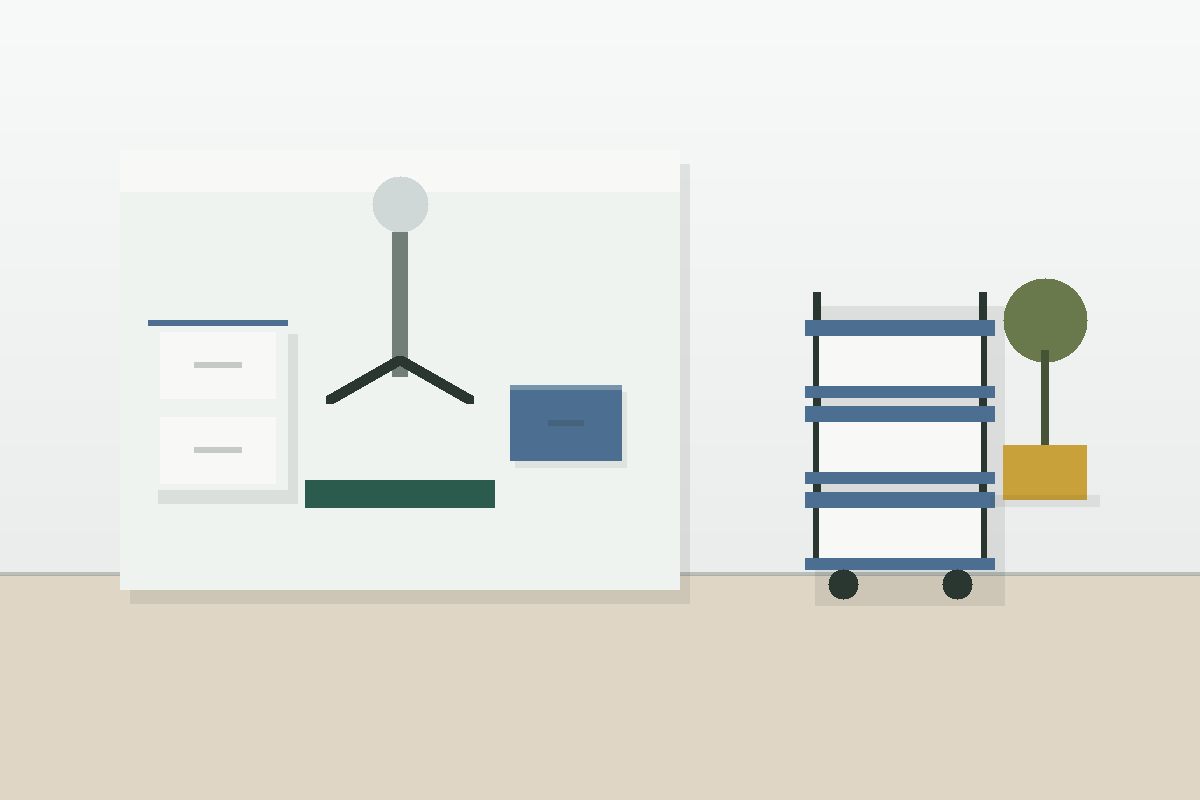
Use the awkward cabinet around plumbing while keeping valves visible, leak checks simple, and daily cleaners easy to pull out.
- Pipe clearance is the first measurement. A beautiful organizer is useless if it hits the trap.
- Use drawers for small items and open caddies for cleaners you grab frequently.
- Keep valves visible and leave a removable tray under plumbing so leak checks do not require unloading the whole cabinet.
Who this guide helps
- Bathroom vanities
- Kitchen sink cabinets
- Cleaning refills
- Renters with no linen closet
Product-type comparison
| Option | Best for | Check before buying |
|---|---|---|
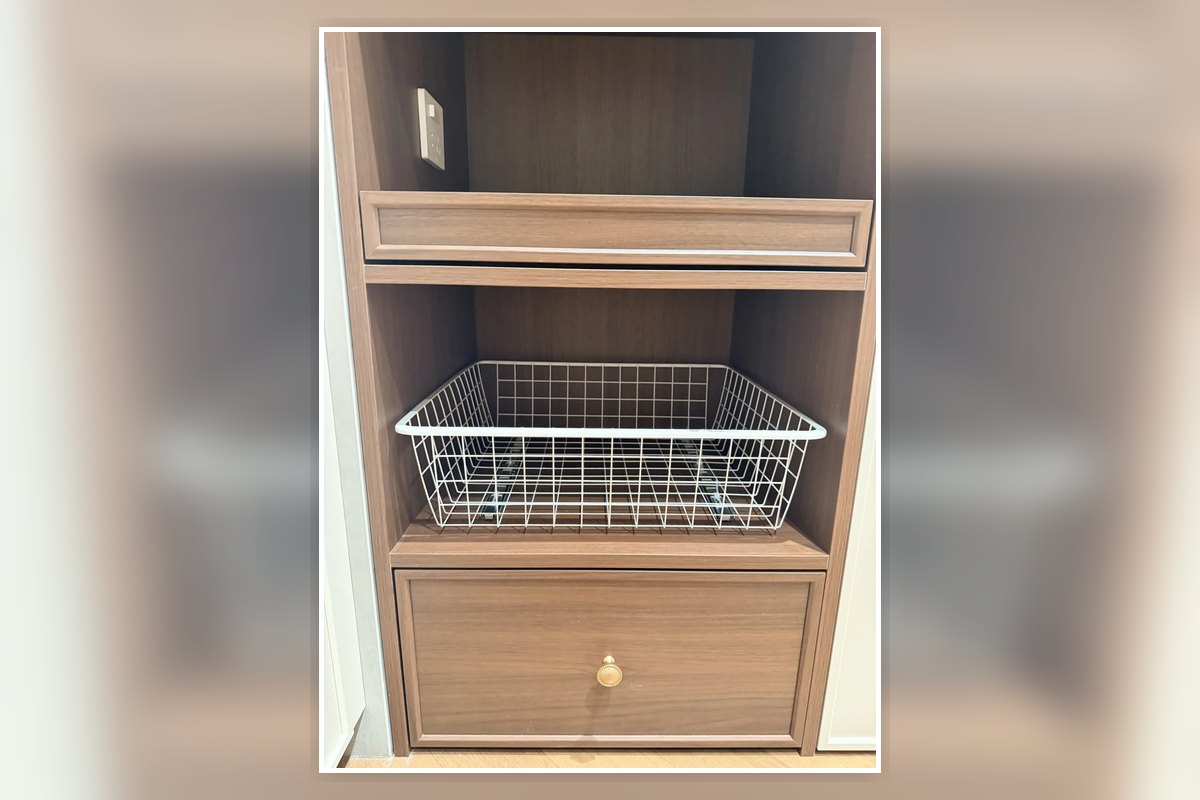
| Two-tier sliding drawer | Small toiletries and cleaning refills | Measure around pipes and cabinet lips |
| Open cleaning caddy | Daily sprays and scrubbers | Can look messy without zones |
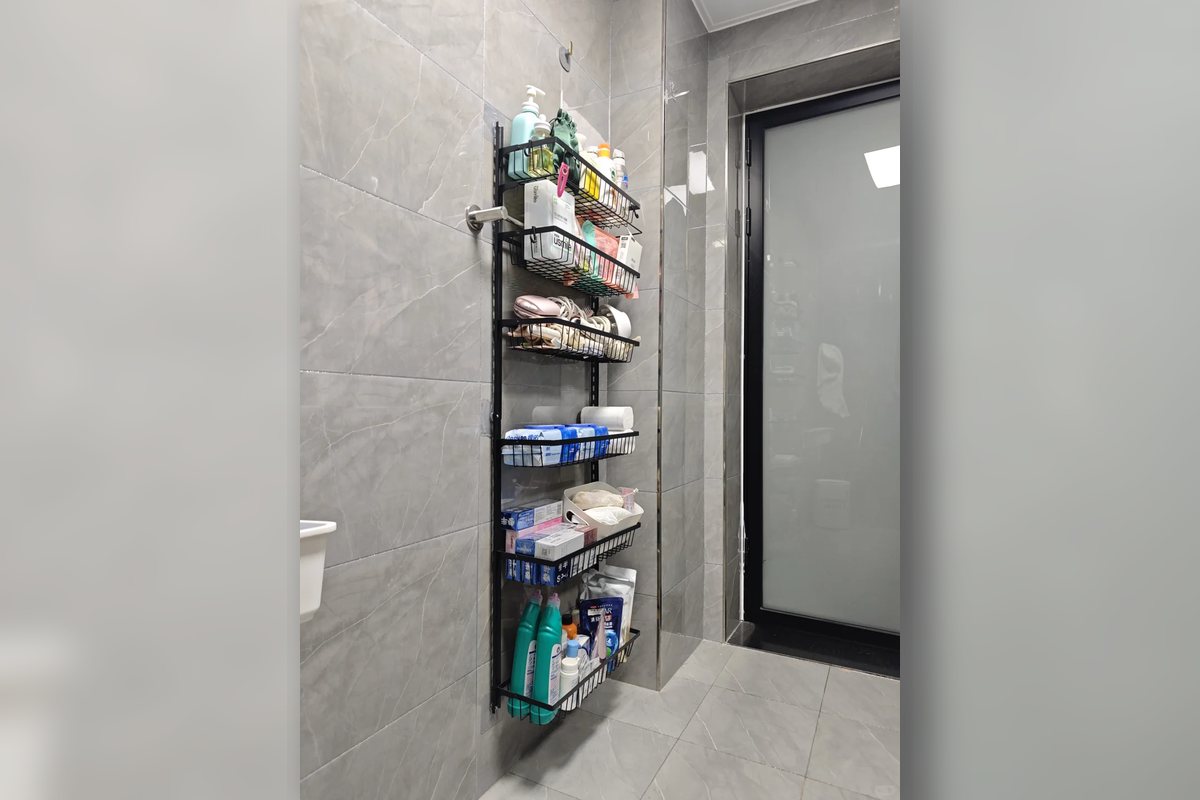
| Expandable shelf | Uneven plumbing layouts | Small bottles can wobble on wire shelves |
| Stackable clear drawers | Hair tools, backups, first aid | Needs enough door clearance |
How to choose
- Pipe map: Measure from side walls to pipes, plus height under the disposal or trap.
- Moisture: Choose wipeable plastic or coated metal rather than unfinished wood.
- Access: Drawers help small items; open caddies help cleaners that leave the cabinet often.
- Safety: Do not hide shutoff valves behind heavy stacks.
Measure before buying
Under-sink storage is a plumbing space first and a storage space second. The best organizer is the one that leaves valves visible, accepts a leak tray, and can be removed without unloading the entire cabinet.
- Pipe map: Measure from each cabinet wall to the trap, disposal, supply lines, and shutoff valves.
- Door clearance: Check whether sliding drawers clear the cabinet frame and hinges before ordering a two-tier unit.
- Bottle height: Measure the tallest spray bottle and leave room for your hand above it.
- Removable zone: Keep the area directly below the trap easy to clear for leak checks.
Apartment size scenarios
Use these examples to translate the guide into a real apartment layout before you compare products.
24-inch bathroom vanity
Use one narrow drawer or caddy on the dry side and keep the pipe side open enough for leak checks. In a small vanity, a full-width two-tier shelf often looks efficient online but blocks the trap in real use.
30- to 36-inch kitchen sink base
Map the trap, disposal, supply lines, and shutoff valves before ordering a two-tier unit. Most apartments need an offset organizer rather than a centered shelf.
Tall spray bottles under a bathroom sink
Measure bottle height plus at least two inches for your hand. If that total hits the drawer or pipe, use a removable caddy instead of a fixed pull-out drawer.
Under-sink pipe clearance check
Measure the clear rectangle on each side of the plumbing, not the whole cabinet width. The useful organizer footprint is usually the dry side wall plus the front zone near the doors.
Cabinet with previous moisture marks
Use a washable tray and keep the plumbing zone easy to empty. Avoid storing paper goods or backup toiletries directly under the trap.
Choose it if / skip it if
Choose it if
- Your sink cabinet currently mixes cleaners, refills, toiletries, and loose bags.
- You need storage that can be removed during maintenance or a move-out inspection.
- You want to keep counters clear without hiding shutoff valves.
Skip it if
- There is active moisture, swollen cabinet board, or a history of leaks.
- Your plumbing fills most of the cabinet and leaves no drawer path.
- You plan to store paper goods or electronics under the sink.
Common small-space mistakes
- Buying a symmetric two-tier shelf for an asymmetric pipe layout.
- Blocking shutoff valves behind stacked bottles.
- Skipping a washable tray under leak-prone bottles and plumbing.
Layout fit examples
Use the product type as a match for a specific apartment layout, not as a universal fix. The same organizer can feel excellent in one zone and annoying in another if reach, door swing, lighting, or cleaning access is wrong.
Often works well
- Two-tier sliding drawer: strongest for small toiletries and cleaning refills.
- Open cleaning caddy: strongest for daily sprays and scrubbers.
- Expandable shelf: strongest for uneven plumbing layouts.
Check twice when
- Two-tier sliding drawer: check twice when measure around pipes and cabinet lips.
- Open cleaning caddy: check twice when can look messy without zones.
- Expandable shelf: check twice when small bottles can wobble on wire shelves.
Product page checks
Before treating an item as a serious candidate, verify the current retailer page rather than relying on a photo or a short product title. Small-space storage fails most often when the listed size, material, mounting method, or return policy is ignored.
- Exact dimensions: Compare listed width, depth, height, and clearance to the measured apartment zone for this bathroom & laundry project.
- Material and finish: Confirm whether the surfaces are plastic, metal, fabric, bamboo, wire, or MDF because cleaning, moisture tolerance, and durability change quickly by material.
- Assembly and removal: Look for required tools, wall fasteners, adhesive cure times, leveling feet, wheels, or hardware that could affect a rental or a future move.
- Load and daily use: Match the stated load limit to the heaviest realistic contents, then ask whether the item will still be easy to open, pull, lift, or clean when full.
- Return window: Check the retailer return policy before ordering large or assembled items, especially when the fit depends on a narrow closet, cabinet, or entryway.
Apartment fit note
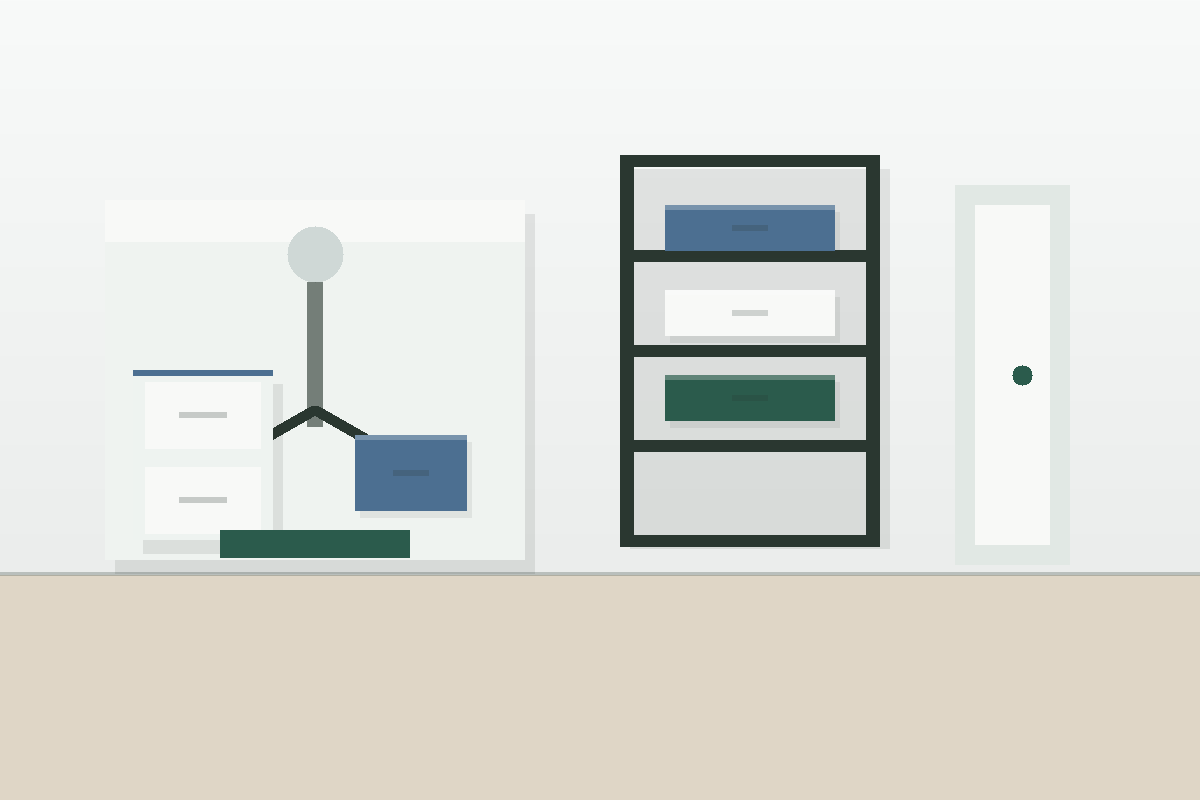
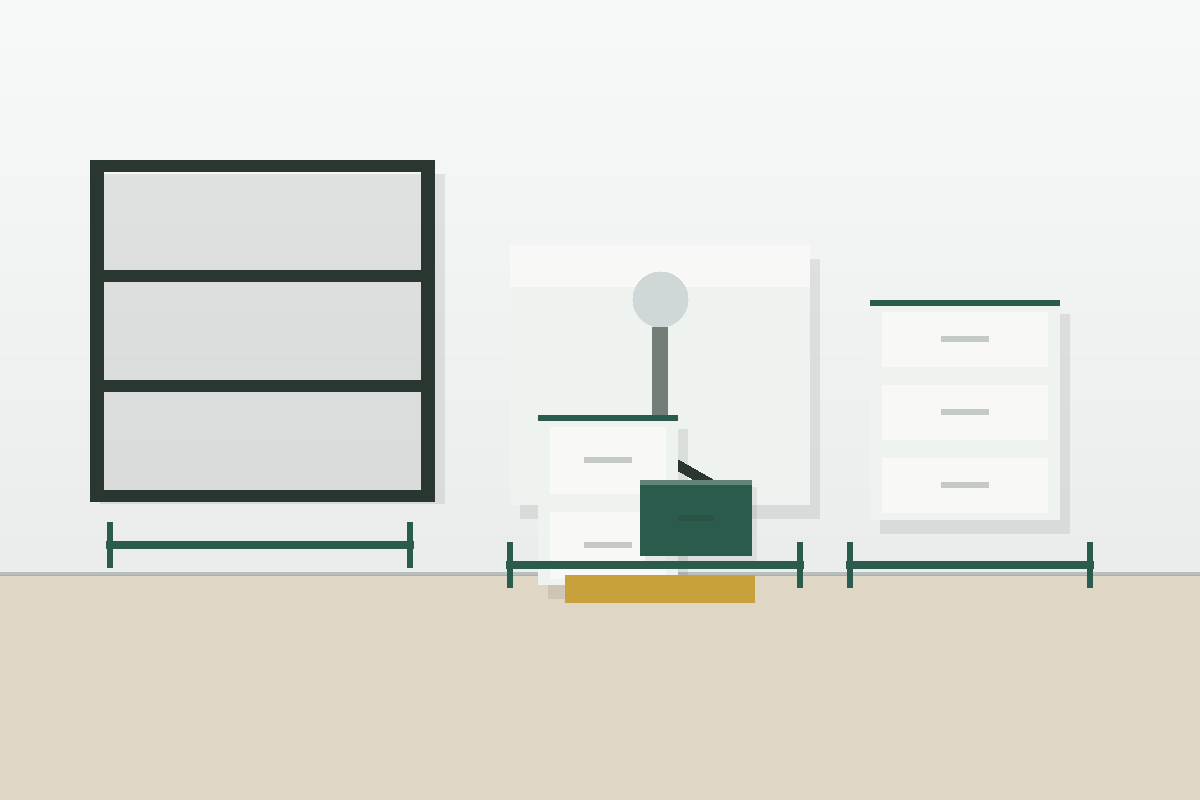
Treat the under-sink cabinet as three zones: a removable leak zone under plumbing, a daily caddy near the door, and backup storage on the dry side wall.
Pros and cons
Pros
- Turns dead space into useful storage
- Keeps counters clearer
- Can move with you
Cons
- Requires careful measuring
- Leaks can damage contents
- Tall bottles may not fit below drawers
Alternative: If the cabinet is too tight, use one removable caddy and a narrow over-door basket instead of a shelf system.
Small-space setup steps
- Empty the cabinet and photograph the plumbing before shopping.
- Buy one adjustable organizer or two small drawers rather than one large rigid unit.
- Place leak-prone bottles in a washable tray and keep valves accessible.
Product examples to compare
Use these links as starting points for comparing dimensions, materials, availability, retailer policies, and whether the item fits your measured space.
Related small-space guides
Continue with guides that solve the next storage decision in the same apartment zone.
FAQ
Can under-sink drawers work around pipes?
Yes, if the drawer frame is offset, narrow, or adjustable enough for your plumbing. Measure from both side walls to the trap, disposal, and supply lines before ordering.
What should not be stored under the sink?
Avoid paper goods, electronics, extra towels, and anything that would be ruined by a leak. Keep moisture-sensitive backups in a closet or drawer instead.
Is metal or plastic better under the sink?
Coated metal is sturdy, but smooth plastic is easier to clean after spills. In damp cabinets, avoid unfinished wood or absorbent bins.
How do I organize under a sink with very little clearance?
Use one removable caddy near the door, a washable tray under the trap, and a narrow side bin for backups. Skip tall two-tier drawers if they block valves or bottle access.
Should cleaning products go in drawers or open caddies?
Use open caddies for sprays and cleaners you remove often. Use drawers for small refills, sponges, hair tools, or first-aid items that otherwise scatter.