The short answer
What usually works
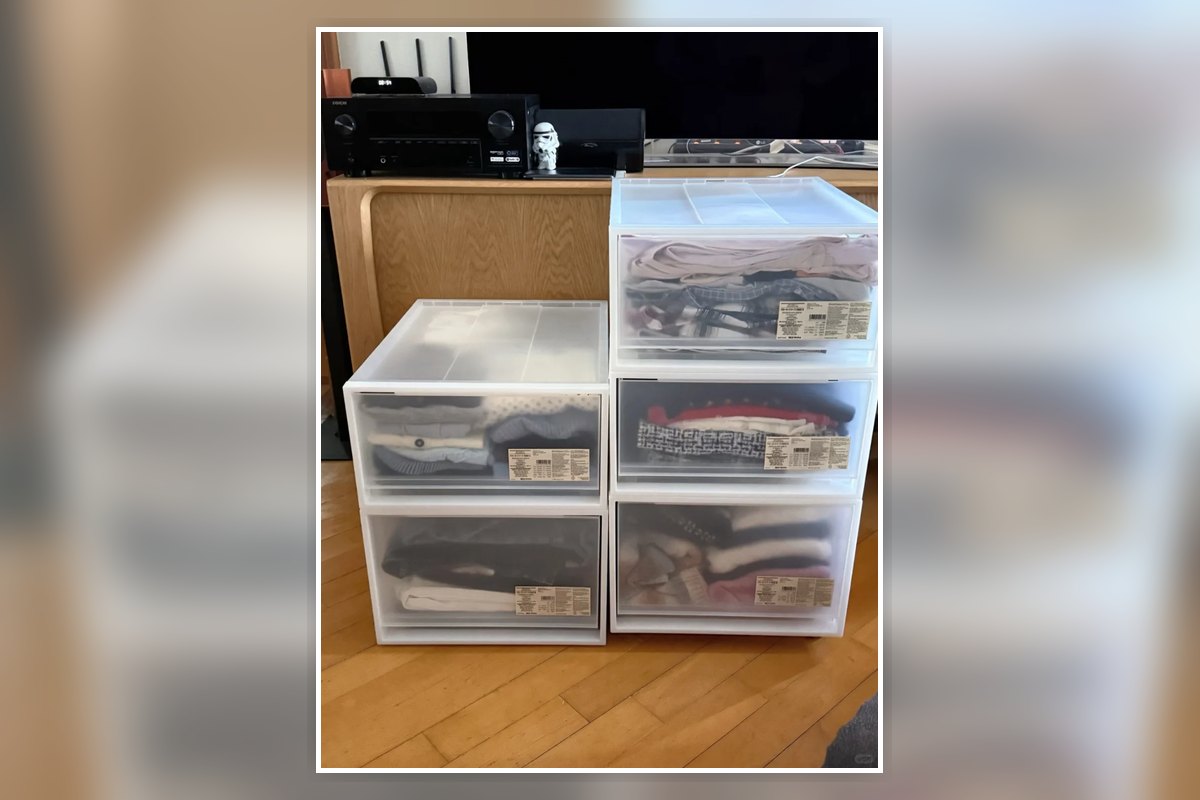
Choose clear or fabric bins by where they will sit, what they will hold, and how the loaded bin must move off the shelf.
- Clear bins win in hidden utility zones where visibility, wipeable surfaces, and quick inventory matter.
- Fabric bins win in dry, visible rooms when the bin face is part of the furniture and labels are easy to maintain.
- Most small apartments need two coordinated formats: clear plastic behind doors and one fabric color on open shelves.
Who this guide helps
- Visible shelves
- Utility closets
- Pantry zones
- Anyone building a matching bin system
Product-type comparison
| Option | Best for | Check before buying |
|---|---|---|
| Clear lidded bins | Closet top shelves, pantry overflow, seasonal gear | Usable inside dimensions, lid height, stacking rating, and lift-down weight |
| Clear pull-out drawers | Frequently used clothes, accessories, or supplies | Full drawer extension, handle reach, frame depth, and tip resistance |
| Fabric cube bins | Living rooms, bedrooms, and open cube units | Actual cube opening, finger gap, base panel, handles, and loaded sag |
| Zippered fabric boxes | Light linens and low-access closet storage | Zipper path, viewing window, internal frame, moisture exposure, and stacking limits |
How to choose
- Placement: Use clear storage where it sits behind a door or out of sight; use one repeated fabric style where the bin face stays visible in the room.
- Usable dimensions: Compare the bin's widest outside point with the shelf opening, then check the smaller inside dimensions against the actual contents.
- Access: A top-shelf bin needs safe lift-down handles; a cube bin needs finger room; a drawer needs enough space to open fully without hitting a door or bed.
- Cleaning and moisture: Smooth plastic is easier around pantry leaks, bathroom humidity, dust, and moving-day spills. Fabric suits dry, lightweight categories.
- Identification: Clear sides speed up inventory, while opaque bins need front-facing labels or one obvious category per bin.
Measure before buying
Choose by placement first: clear plastic for searchable utility storage behind doors, fabric for dry open shelves where a repeated face and color matter. Then test the exact bin with the shelf opening and loaded pull-out path.
- Usable opening: Measure the clear shelf or cube width, height, and depth after hinges, door tracks, trim, shelf lips, and back panels—not just the furniture's outside dimensions.
- Hand and handle clearance: Leave roughly 0.5 to 1 inch above a cube-bin handle area as a starting point. Lidded and top-shelf bins need enough extra room for fingers to grip, unlatch, and lift safely.
- Inside capacity: Check the retailer's interior dimensions when available. Tapered sides, thick walls, frames, and folded fabric can make the usable space much smaller than the listed footprint.
- Loaded pull-out path: Tape the footprint, then mimic a full bin coming off the shelf. Confirm it clears sliding doors, closet tracks, a nearby bed, and the main walking path.
- Cleaning zone: Use smooth plastic where spills, pantry residue, dust, or bathroom moisture are likely. Reserve fabric for dry categories that will not leak or need frequent wiping.
Apartment size scenarios
Use these examples to translate the guide into a real apartment layout before you compare products.
13-inch cube opening
Start with a fabric bin around 11 to 12 inches high only if the handle area still has 0.5 to 1 inch of finger room. Test the actual opening because cube frames and back panels reduce usable space.
12-inch-deep closet shelf
Choose a clear bin that stays behind the sliding-door track and can tilt down without catching the shelf above. Keep dense refills in smaller bins so lift-down weight stays manageable.
24-inch-wide pantry shelf
Two narrow clear bins can separate breakfast packets from cooking refills while keeping labels visible. Verify both handles remain reachable after the pantry door closes.
400 sq ft studio cube unit
Use one fabric color for visible categories such as accessories, workout gear, and spare linens. Put clear overflow bins behind a closet door where quick inventory matters more than the room view.
Under-bed storage
Choose low clear lidded bins only after measuring the lowest bed-frame point, wheel or handle height, and the floor route needed to pull the full bin out.
Choose it if / skip it if
Choose it if
- You need clear bins for fast inventory in closets, pantry overflow, or under-bed storage.
- You need fabric bins to calm an open cube unit in a bedroom or living room.
- You can test one bin in the exact shelf before committing to a matching set.
Skip it if
- The outside bin dimensions fit but the handle, lid, or drawer cannot clear the opening.
- You are using clear bins as visible decor while every container holds a mix of colors and categories.
- You need wipeable storage but are choosing unsupported fabric for a damp or spill-prone zone.
Common small-space mistakes
- Buying six bins from the outside dimensions without testing the smaller usable interior and handle clearance.
- Filling a top-shelf clear bin until it is too heavy to lift down comfortably.
- Buying fabric bins for mixed pantry packets, then losing track of duplicates behind opaque fronts.
- Mixing too many bin colors and footprints instead of repeating one visible style.
Layout fit examples
Use the product type as a match for a specific apartment layout, not as a universal fix. The same organizer can feel excellent in one zone and annoying in another if reach, door swing, lighting, or cleaning access is wrong.
Often works well
- Clear lidded bins: strongest for closet top shelves, pantry overflow, seasonal gear.
- Clear pull-out drawers: strongest for frequently used clothes, accessories, or supplies.
- Fabric cube bins: strongest for living rooms, bedrooms, and open cube units.
Check twice when
- Clear lidded bins: check twice when usable inside dimensions, lid height, stacking rating, and lift-down weight.
- Clear pull-out drawers: check twice when full drawer extension, handle reach, frame depth, and tip resistance.
- Fabric cube bins: check twice when actual cube opening, finger gap, base panel, handles, and loaded sag.
Product page checks
Before treating an item as a serious candidate, verify the current retailer page rather than relying on a photo or a short product title. Small-space storage fails most often when the listed size, material, mounting method, or return policy is ignored.
- Exact dimensions: Compare listed width, depth, height, and clearance to the measured apartment zone for this closet storage project.
- Material and finish: Confirm whether the surfaces are plastic, metal, fabric, bamboo, wire, or MDF because cleaning, moisture tolerance, and durability change quickly by material.
- Assembly and removal: Look for required tools, wall fasteners, adhesive cure times, leveling feet, wheels, or hardware that could affect a rental or a future move.
- Load and daily use: Match the stated load limit to the heaviest realistic contents, then ask whether the item will still be easy to open, pull, lift, or clean when full.
- Return window: Check the retailer return policy before ordering large or assembled items, especially when the fit depends on a narrow closet, cabinet, or entryway.
Apartment fit note
Test one shelf before buying a set: place the loaded sample where it will live, close every nearby door, remove it with one normal motion, and look at it from the room entrance. That single trial reveals fit, access, and visual noise better than a product photo.
Pros and cons
Pros
- Easy decision framework
- Prevents overbuying one style
- Improves both utility and appearance
Cons
- Mixing styles can look messy if colors clash
- Clear bins expose clutter
- Fabric bins vary widely in strength
Alternative: Use clear bins inside cabinets and one consistent fabric bin color on open shelving.
Small-space setup steps
- List where the bins will sit: hidden, semi-visible, or fully visible.
- Use clear bins for hidden and semi-visible spaces where finding items matters most.
- Use fabric bins where the storage is part of the room's visual calm.
Product examples to compare
Use these links as starting points for comparing dimensions, materials, availability, retailer policies, and whether the item fits your measured space.
Related small-space guides
Continue with guides that solve the next storage decision in the same apartment zone.


FAQ
Are clear bins or fabric bins better for small apartments?
Clear bins are better for hidden utility zones, pantry overflow, top shelves, and under-bed storage. Fabric bins are better on open shelves where the storage is visible every day.
Do clear bins make a room look cluttered?
They can if the contents are mixed. Use clear bins inside closets, cabinets, and pantries, then keep fabric or opaque bins for living-room shelves.
Do fabric bins need labels?
Yes, unless each bin holds a single obvious category. Labels keep opaque storage from becoming a guessing game.
Which bins are easier to clean?
Smooth plastic bins are easier to wipe after dust, spills, or pantry leaks. Fabric bins are better for dry, lightweight categories that stay on visible shelves.
Can I mix clear and fabric bins?
Yes. Use one clear utility size for hidden storage and one fabric color for visible shelves so the mix still looks intentional.
How much clearance should a storage bin have?
Leave enough room to grip and remove the bin without scraping the shelf. For a cube bin, about 0.5 to 1 inch of clear space above the handle area is a practical starting point; lidded and top-shelf bins may need more hand room.