The short answer
What usually works
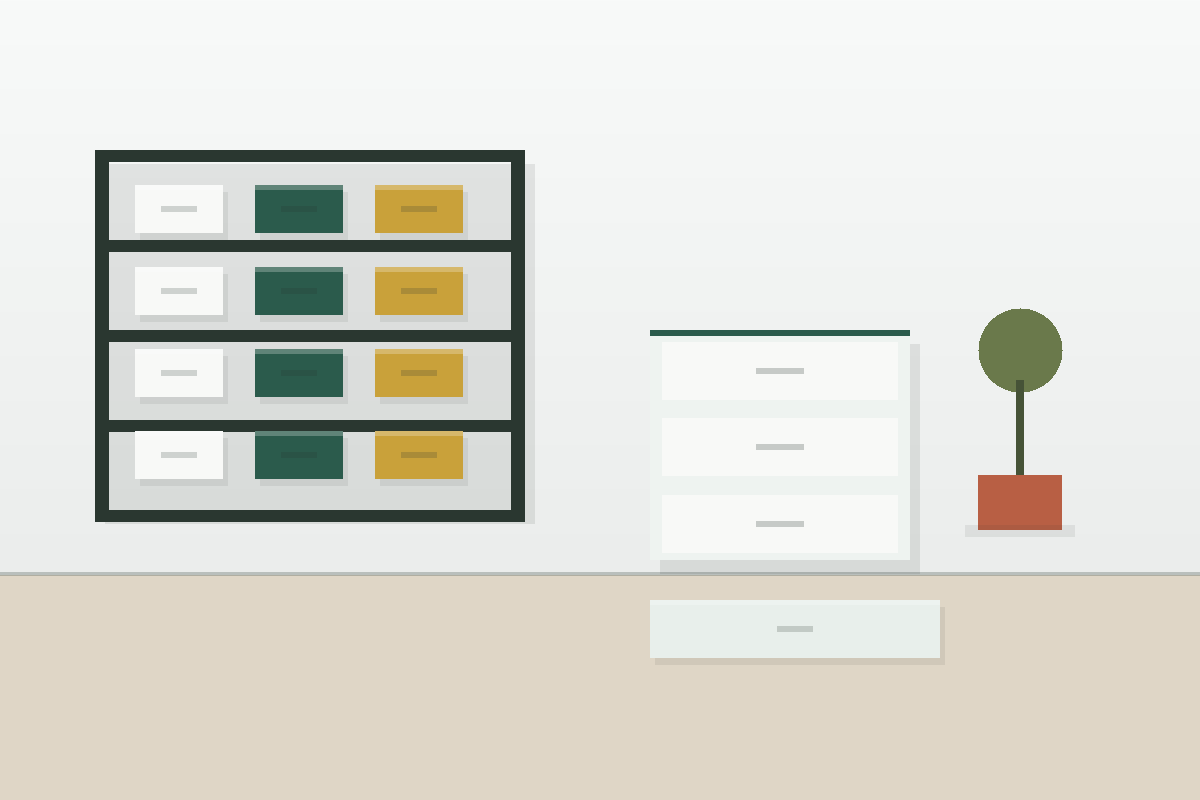
Build a bin system that fits your real storage zones instead of buying a mixed set that only looks organized on day one.
- Pick one or two repeatable footprints so stacks stay stable and lids remain interchangeable.
- Clear bins are strongest for hidden utility storage; fabric cubes look calmer on visible shelves.
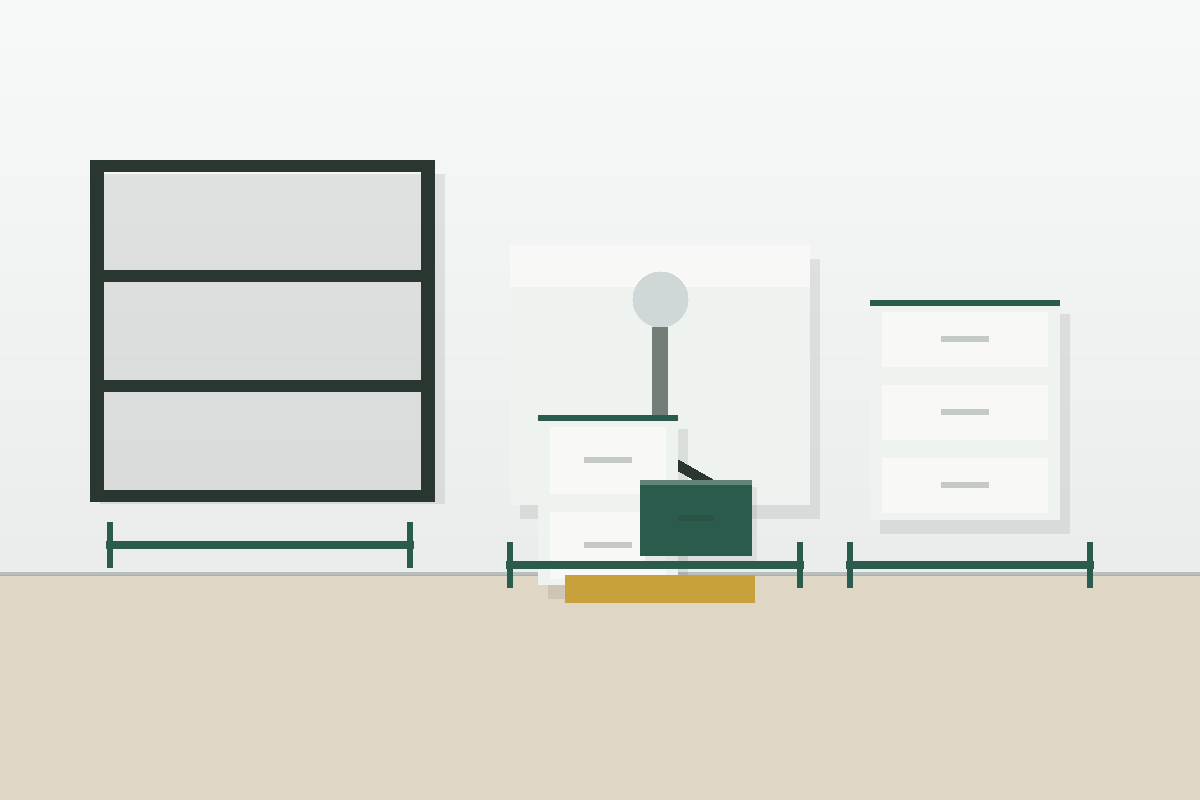
- Measure shelf depth, lid lift space, bed clearance, and the weight you can safely lift before ordering a full set.
Who this guide helps
- First apartment setup
- Seasonal clothing
- Shared closets
- Moving-friendly storage
Product-type comparison
| Option | Best for | Check before buying |
|---|---|---|
| Clear lidded bins | Pantry overflow, cords, utility shelves | Can look busy on open shelves unless contents are grouped |
| Fabric cube bins | Open cube shelves and living room storage | Less protective and harder to wipe clean |
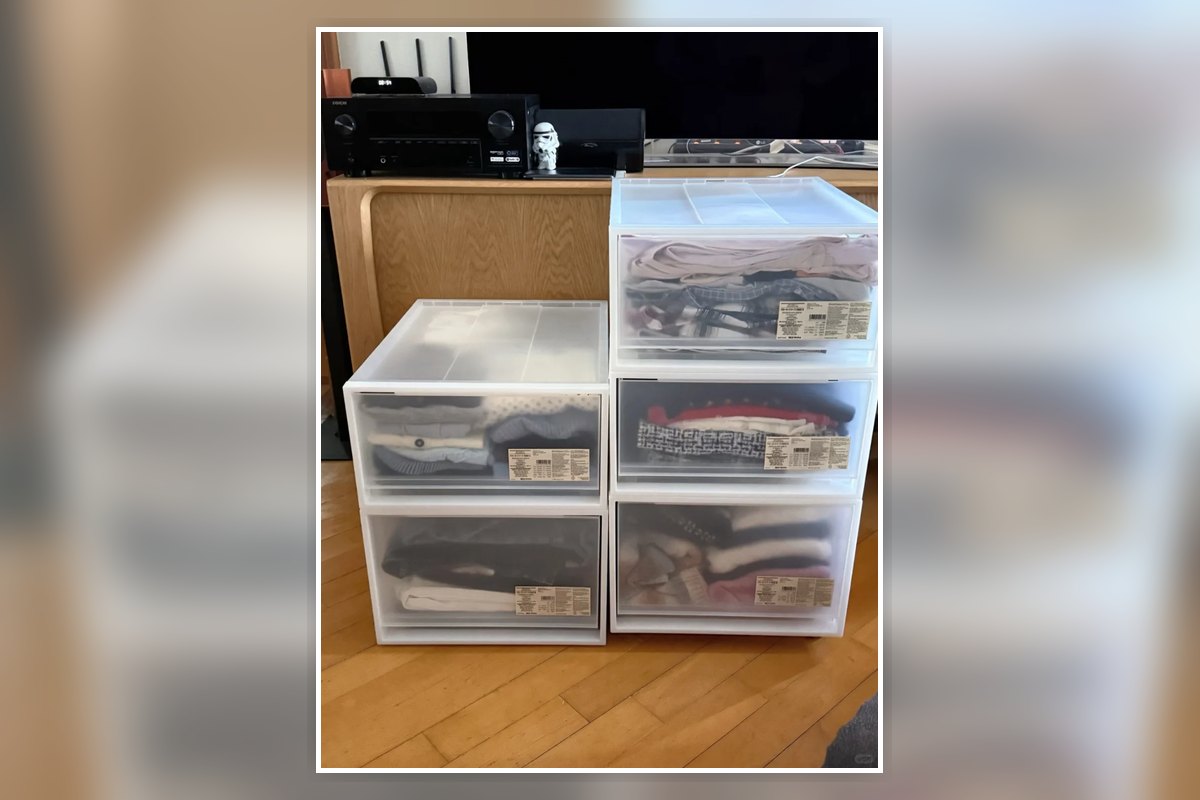
| Under-bed boxes | Linens, sweaters, off-season shoes | Check wheel height and bed-frame crossbars |
| Collapsible bins | Move-in kits and occasional overflow | Not ideal for heavy books or tools |
How to choose
- Footprint: Repeatable sizes matter more than a large variety. Matching bins make a tiny closet feel intentional.
- Access: Lids protect contents, but open fronts are better for everyday items.
- Material: Plastic is washable and visible; fabric softens rooms but can absorb odors.
- Load rating: Check weight limits when stacking or storing dense items like books and small appliances.
Measure before buying
For most rentals, a bin system works best when one footprint repeats across closets, open shelves, and under-bed overflow. The goal is fewer sizes that stack cleanly, not the largest number of containers.
- Shelf depth: Measure the usable shelf depth after door trim, hinges, and closet tracks. A 13-inch bin in a 12-inch shelf will sit proud and make doors harder to close.
- Stack height: Leave two to three inches above the top bin so lids can lift without pulling the entire stack down.
- Under-bed clearance: Measure to the lowest crossbar or caster, not only the bed frame edge.
- Lift weight: If a full bin will be above shoulder height, choose smaller bins even if a larger tote technically fits.
Apartment size scenarios
Use these examples to translate the guide into a real apartment layout before you compare products.
400 sq ft studio with one reach-in closet
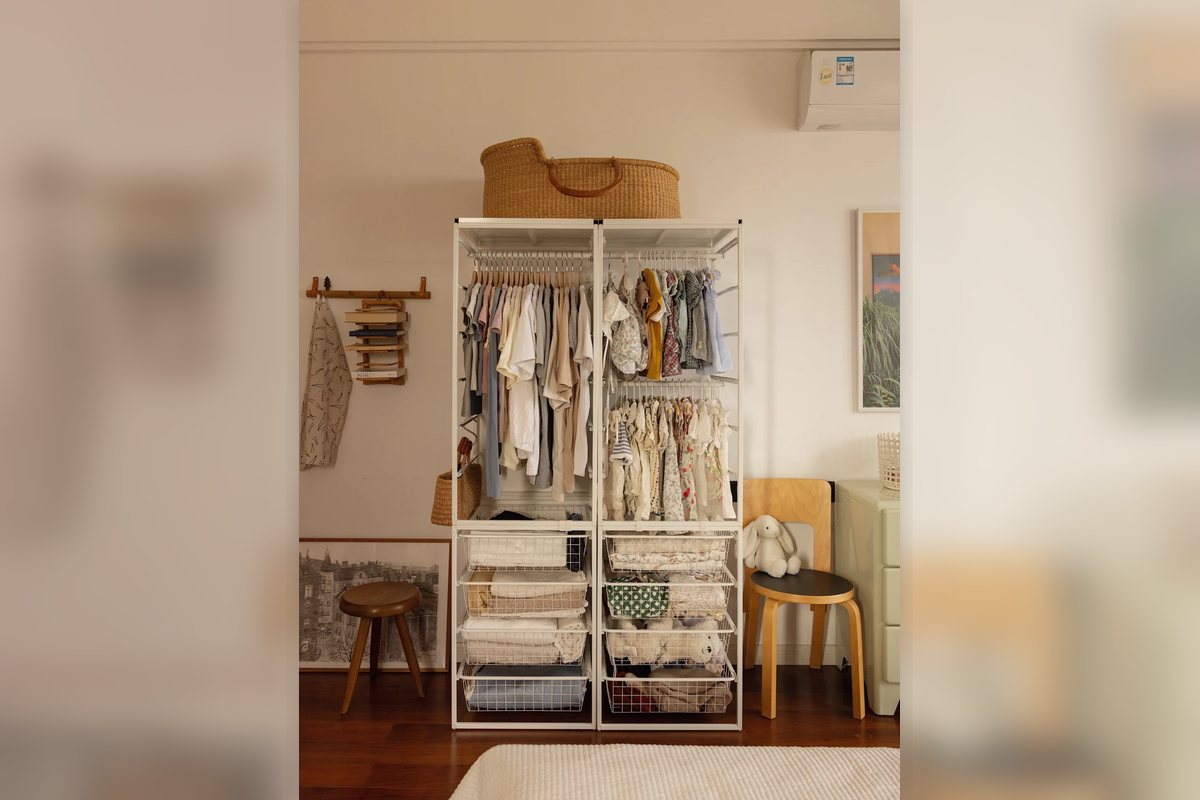
Use clear bins only for the closet shelf, under-bed zone, or utility corner, then keep visible living-room storage in matching fabric cubes. In a studio, one noisy stack of mixed clear bins can make the whole room feel like storage.
11- to 12-inch-deep closet shelf
Choose bins about 10 to 11 inches deep so the front edge stays behind the door track. If the shelf is above eye level, keep each filled bin light enough to lift with one hand.
6- to 7-inch under-bed clearance
Measure to the lowest slat or center support before buying. Soft-sided under-bed bags usually forgive tight clearances better than rigid boxes with tall lids or wheels.
13-inch cube shelf or open bookcase
Use fabric cubes around 10.5 to 11 inches high for visible storage, then reserve clear lidded bins for closets where labels and contents matter more than appearance.
Choose it if / skip it if
Choose it if
- You need one system that can move between apartments without being rebuilt.
- You store seasonal clothing, cables, linens, or pantry overflow in several rooms.
- You want a visible rule for what belongs in each zone.
Skip it if
- You need daily access to every item; open drawers or carts are faster.
- Your shelves are very shallow and would force bins to hang over the edge.
- You are trying to store heavy books or tools above shoulder height.
Common small-space mistakes
- Buying one oversized tote for every category. Large totes become too heavy and hide small items.
- Mixing too many footprints. Stacks wobble and lids stop being interchangeable.
- Skipping labels on opaque bins. In a small apartment, forgotten storage quickly becomes duplicate buying.
Layout fit examples
Use the product type as a match for a specific apartment layout, not as a universal fix. The same organizer can feel excellent in one zone and annoying in another if reach, door swing, lighting, or cleaning access is wrong.
Often works well
- Clear lidded bins: strongest for pantry overflow, cords, utility shelves.
- Fabric cube bins: strongest for open cube shelves and living room storage.
- Under-bed boxes: strongest for linens, sweaters, off-season shoes.
Check twice when
- Clear lidded bins: check twice when can look busy on open shelves unless contents are grouped.
- Fabric cube bins: check twice when less protective and harder to wipe clean.
- Under-bed boxes: check twice when check wheel height and bed-frame crossbars.
Product page checks
Before treating an item as a serious candidate, verify the current retailer page rather than relying on a photo or a short product title. Small-space storage fails most often when the listed size, material, mounting method, or return policy is ignored.
- Exact dimensions: Compare listed width, depth, height, and clearance to the measured apartment zone for this renter-friendly shelving project.
- Material and finish: Confirm whether the surfaces are plastic, metal, fabric, bamboo, wire, or MDF because cleaning, moisture tolerance, and durability change quickly by material.
- Assembly and removal: Look for required tools, wall fasteners, adhesive cure times, leveling feet, wheels, or hardware that could affect a rental or a future move.
- Load and daily use: Match the stated load limit to the heaviest realistic contents, then ask whether the item will still be easy to open, pull, lift, or clean when full.
- Return window: Check the retailer return policy before ordering large or assembled items, especially when the fit depends on a narrow closet, cabinet, or entryway.
Apartment fit note
A practical starter ratio is two visible fabric bins for every three clear utility bins. That keeps open shelves calmer while preserving visibility in closets, pantries, and under-bed storage.
Pros and cons
Pros
- Quickly groups visual clutter
- Works across rooms
- Easy to move when leases change
Cons
- Mismatched sets waste space
- Opaque bins need labels
- Cheap lids can bow under stacked weight
Alternative: If you dislike bins, use open baskets only for daily items and reserve closed boxes for seasonal storage.
Small-space setup steps
- Measure each storage zone and write down usable width, depth, and height.
- Choose one clear bin size for hidden storage and one fabric size for visible shelves.
- Label by task, not room: returns, cleaning refills, winter layers, tech extras.
Product examples to compare
Use these links as starting points for comparing dimensions, materials, availability, retailer policies, and whether the item fits your measured space.
Related small-space guides
Continue with guides that solve the next storage decision in the same apartment zone.
FAQ
What size storage bins work best in a small apartment?
Medium bins that repeat across shelves usually work better than very large totes. For many apartments, the most useful size is one you can lift comfortably, stack safely, and place on a 12- to 14-inch-deep shelf without blocking the door.
Are clear bins better than fabric bins?
Clear bins are better for utility spaces, pantry overflow, and off-season storage because you can see contents quickly. Fabric bins are better on open shelves where a calmer look matters.
How many bins should a small apartment start with?
Start with six to eight medium bins, then add only after you know which categories still overflow. Buying too many sizes at once usually creates wasted gaps.
Should storage bins have lids?
Use lids for stacked, seasonal, dusty, or under-bed storage. Skip lids for items you grab every day because open access is faster.
How do I keep storage bins from looking messy?
Use one visible bin style per open shelf, label opaque bins by task, and keep mismatched utility bins inside closets or under furniture.