The short answer
What usually works
Choose the bin style that fits the room, the shelf, and how often you need to find what is inside.
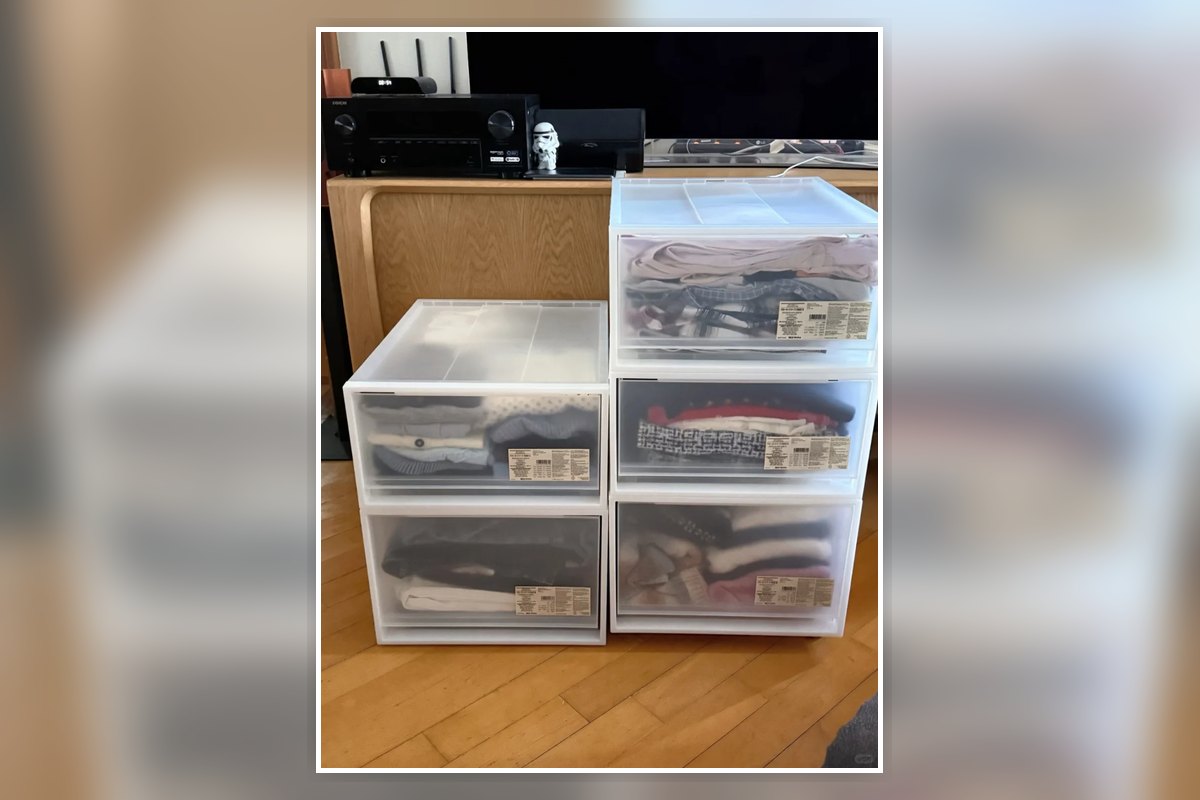
- Clear bins win when visibility, wipeable surfaces, and quick inventory matter.
- Fabric bins win when storage is part of the room and visual calm matters.
- Most small apartments work best with clear bins behind doors and one consistent fabric bin style on open shelves.
Who this guide helps
- Visible shelves
- Utility closets
- Pantry zones
- Anyone building a matching bin system
Product-type comparison
| Option | Best for | Check before buying |
|---|---|---|
| Clear plastic bins | Pantry, closet top shelves, tools | Visible clutter if contents are mixed |
| Fabric cube bins | Living rooms, bedrooms, cube shelving | Need labels and are harder to clean |
| Woven baskets | Entryways and blankets | Can snag delicate fabric |
| Hybrid bins with windows | Closets and kids-free shared spaces | Window panels may wrinkle over time |
How to choose
- Visibility: If you forget what you own, clear bins save money and time.
- Room appearance: If storage is part of the living room, opaque bins reduce visual noise.
- Cleaning: Plastic handles spills and dust better than fabric.
- Labels: Opaque storage needs clear labels or a strict category system.
Measure before buying
Choose clear or fabric bins by visibility, cleaning needs, and whether the bin will sit behind a door or out in the room.
- Shelf depth: Measure the shelf or cube opening before choosing a bin; a visible bin that sticks out will make the whole shelf look crowded.
- Bin height: Leave enough top clearance to grab handles or lift lids without scraping the shelf above.
- Cleaning zone: Use plastic where spills, dust, pantry residue, or bathroom moisture are likely.
- Label view: Decide whether the label needs to face forward, upward, or not at all because clear bins and fabric bins solve identification differently.
Apartment size scenarios
Use these examples to translate the guide into a real apartment layout before you compare products.
13-inch cube shelf
Choose fabric bins around 10.5 to 11 inches high so fingers can still pull the bin forward without scraping the top of the cube.
11- to 12-inch closet shelf
Use clear bins that sit fully behind the closet door track. If a bin protrudes even an inch, sliding doors and bifold panels become annoying quickly.
Pantry or utility closet
Use clear lidded bins for packets, cords, and refills so you can check inventory before buying duplicates.
400 sq ft studio shelf
Use opaque fabric bins for visible categories such as accessories, workout gear, and spare linens. Clear bins are better behind doors where search speed matters more than visual calm.
Choose it if / skip it if
Choose it if
- You need clear bins for fast inventory in closets, pantries, or under-bed storage.
- You need fabric bins to calm open cube shelves, bedroom shelves, or living-room storage.
- You want a two-bin system that separates hidden utility storage from visible room storage.
Skip it if
- The shelf is too shallow for the bin footprint you want.
- You are trying to use clear bins as visible decor with mixed contents.
- You need washable storage but are choosing fabric for a spill-prone zone.
Common small-space mistakes
- Buying clear bins for open living-room shelves, then feeling the room looks busier.
- Buying fabric bins for pantry packets, then forgetting what is inside.
- Mixing too many bin colors and footprints instead of repeating one visible style.
Layout fit examples
Use the product type as a match for a specific apartment layout, not as a universal fix. The same organizer can feel excellent in one zone and annoying in another if reach, door swing, lighting, or cleaning access is wrong.
Often works well
- Clear plastic bins: strongest for pantry, closet top shelves, tools.
- Fabric cube bins: strongest for living rooms, bedrooms, cube shelving.
- Woven baskets: strongest for entryways and blankets.
Check twice when
- Clear plastic bins: check twice when visible clutter if contents are mixed.
- Fabric cube bins: check twice when need labels and are harder to clean.
- Woven baskets: check twice when can snag delicate fabric.
Product page checks
Before treating an item as a serious candidate, verify the current retailer page rather than relying on a photo or a short product title. Small-space storage fails most often when the listed size, material, mounting method, or return policy is ignored.
- Exact dimensions: Compare listed width, depth, height, and clearance to the measured apartment zone for this closet storage project.
- Material and finish: Confirm whether the surfaces are plastic, metal, fabric, bamboo, wire, or MDF because cleaning, moisture tolerance, and durability change quickly by material.
- Assembly and removal: Look for required tools, wall fasteners, adhesive cure times, leveling feet, wheels, or hardware that could affect a rental or a future move.
- Load and daily use: Match the stated load limit to the heaviest realistic contents, then ask whether the item will still be easy to open, pull, lift, or clean when full.
- Return window: Check the retailer return policy before ordering large or assembled items, especially when the fit depends on a narrow closet, cabinet, or entryway.
Apartment fit note
A practical apartment setup is clear plastic behind doors and one consistent fabric bin style in the room. That keeps utility storage searchable and visible shelves calmer.
Pros and cons
Pros
- Easy decision framework
- Prevents overbuying one style
- Improves both utility and appearance
Cons
- Mixing styles can look messy if colors clash
- Clear bins expose clutter
- Fabric bins vary widely in strength
Alternative: Use clear bins inside cabinets and one consistent fabric bin color on open shelving.
Small-space setup steps
- List where the bins will sit: hidden, semi-visible, or fully visible.
- Use clear bins for hidden and semi-visible spaces where finding items matters most.
- Use fabric bins where the storage is part of the room's visual calm.
Product examples to compare
Use these links as starting points for comparing dimensions, materials, availability, retailer policies, and whether the item fits your measured space.
Related small-space guides
Continue with guides that solve the next storage decision in the same apartment zone.


FAQ
Are clear bins or fabric bins better for small apartments?
Clear bins are better for hidden utility zones, pantry overflow, top shelves, and under-bed storage. Fabric bins are better on open shelves where the storage is visible every day.
Do clear bins make a room look cluttered?
They can if the contents are mixed. Use clear bins inside closets, cabinets, and pantries, then keep fabric or opaque bins for living-room shelves.
Do fabric bins need labels?
Yes, unless each bin holds a single obvious category. Labels keep opaque storage from becoming a guessing game.
Which bins are easier to clean?
Smooth plastic bins are easier to wipe after dust, spills, or pantry leaks. Fabric bins are better for dry, lightweight categories that stay on visible shelves.
Can I mix clear and fabric bins?
Yes. Use one clear utility size for hidden storage and one fabric color for visible shelves so the mix still looks intentional.