
The short answer
What usually works
Turn one cramped reach-in closet into clear zones for hanging clothes, folded items, shoes, and seasonal overflow without a permanent install.
- The best closet organizer usually combines a double rod, slim hangers, and one drawer or shelf unit.
- Measure long garments before adding a double rod so coats, dresses, and garment bags still have a real zone.
- Leave a hand-width of empty rail space so clothes can slide instead of jamming together.
Who this guide helps
- Studio closets
- Reach-in closets
- Shared wardrobes
- Renters avoiding permanent installs
Product-type comparison
| Option | Best for | Check before buying |
|---|---|---|
| Double hanging rod | Short garments and shared closets | Needs a sturdy existing rail |
| Hanging shelf column | Sweaters, bags, jeans | Can sag if overloaded |
| Slim velvet hangers | More hanging capacity without a remodel | Not ideal for damp coats |
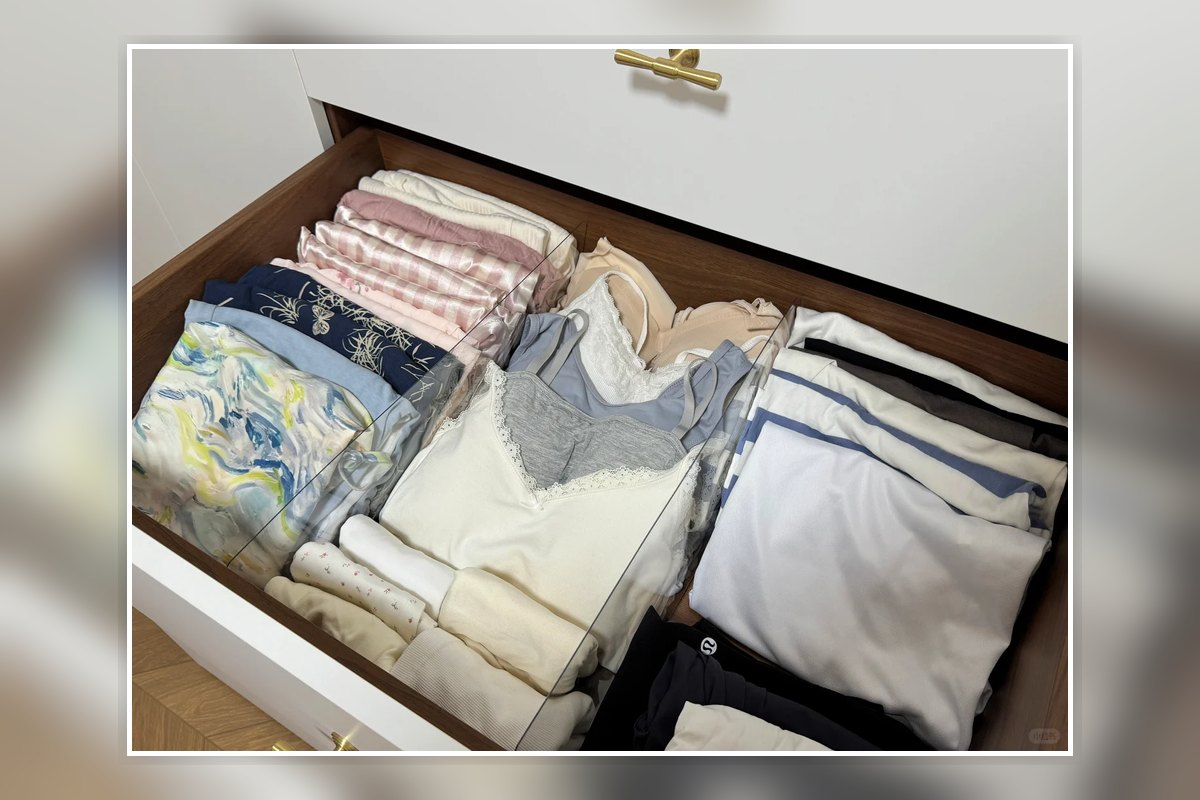
| Freestanding drawer tower | Socks, workout gear, folded tees | Consumes floor space if the closet is shallow |
How to choose
- Closet width: A double rod works best when at least half the closet holds shirts, skirts, or folded pants.
- Floor clearance: A drawer tower needs enough door swing and toe room.
- Rail strength: Temporary organizers still depend on the original closet rod.
- Visibility: Open shelves are faster; drawers hide visual clutter in a bedroom closet.
Measure before buying
Small closets usually fail because every inch is treated as hanging space. A better setup reserves rail space for clothes that wrinkle, then uses one lower zone for folded items and one high zone for seasonal bins.
- Rail length: Count how many inches are used by short garments versus long garments. A double rod only helps if short garments dominate.
- Door swing: Check whether a drawer tower can open fully when the closet door, bedroom door, or sliding panel is in place.
- Top shelf reach: If you need a stool every time, reserve that shelf for monthly or seasonal items.
- Floor depth: Measure from the back wall to the front track or door stop, not to the visual edge of the closet opening.
Apartment size scenarios
Use these examples to translate the guide into a real apartment layout before you compare products.
48-inch reach-in closet
Treat the first 24 to 30 inches as daily hanging space and use the remaining width for a narrow drawer stack or folded shelf zone. If the opening is tight, choose drawers under 18 inches deep so they clear the door track.
60-inch closet with mostly short garments
A double rod can work well when at least two-thirds of the rail is shirts, pants, and light jackets. Leave one full-height section for coats, dresses, garment bags, or a laundry hamper.
400 sq ft studio with no dresser
Use one low drawer tower inside the closet before buying a freestanding dresser. Keeping folded basics inside the closet protects the main room from becoming a second wardrobe wall.
Sliding-door closet
Avoid deep drawer units unless each drawer can open with one panel slid aside. Shallow fabric drawers or rail-hung shelves are usually easier to access behind sliding doors.
Choose it if / skip it if
Choose it if
- Most of your clothing is shirts, folded pants, sweaters, or light jackets.
- You rent and want rail-hung or freestanding pieces instead of a drilled closet system.
- You share one reach-in closet and need clearer zones.
Skip it if
- Your existing rail is weak or already sagging.
- Most garments are long coats, dresses, or uniforms that need full hanging height.
- Your closet is so shallow that drawer fronts would hit the door track.
Common small-space mistakes
- Adding every hanging accessory at once. The rail becomes crowded before the closet becomes organized.
- Ignoring long garments. One dress or coat zone prevents daily frustration.
- Buying fabric shelves for heavy stacks. They sag faster than a low freestanding drawer unit.
Layout fit examples
Use the product type as a match for a specific apartment layout, not as a universal fix. The same organizer can feel excellent in one zone and annoying in another if reach, door swing, lighting, or cleaning access is wrong.
Often works well
- Double hanging rod: strongest for short garments and shared closets.
- Hanging shelf column: strongest for sweaters, bags, jeans.
- Slim velvet hangers: strongest for more hanging capacity without a remodel.
Check twice when
- Double hanging rod: check twice when needs a sturdy existing rail.
- Hanging shelf column: check twice when can sag if overloaded.
- Slim velvet hangers: check twice when not ideal for damp coats.
Product page checks
Before treating an item as a serious candidate, verify the current retailer page rather than relying on a photo or a short product title. Small-space storage fails most often when the listed size, material, mounting method, or return policy is ignored.
- Exact dimensions: Compare listed width, depth, height, and clearance to the measured apartment zone for this closet storage project.
- Material and finish: Confirm whether the surfaces are plastic, metal, fabric, bamboo, wire, or MDF because cleaning, moisture tolerance, and durability change quickly by material.
- Assembly and removal: Look for required tools, wall fasteners, adhesive cure times, leveling feet, wheels, or hardware that could affect a rental or a future move.
- Load and daily use: Match the stated load limit to the heaviest realistic contents, then ask whether the item will still be easy to open, pull, lift, or clean when full.
- Return window: Check the retailer return policy before ordering large or assembled items, especially when the fit depends on a narrow closet, cabinet, or entryway.
Apartment fit note
Use a 50/30/20 closet split as a starting point: 50% hanging, 30% folded or drawer storage, and 20% seasonal overflow. Adjust only after one week of real use.
Pros and cons
Pros
- Improves capacity without remodeling
- Easy to test and rearrange
- Works for renters
Cons
- Too many hanging accessories can crowd the rail
- Fabric shelves collect dust
- Budget rods can slip
Alternative: If the closet is extremely narrow, skip hanging shelves and use one low drawer unit plus matching slim hangers.
Small-space setup steps
- Sort clothes by hang length before buying anything.
- Install the double rod for short garments first, then add shelf or drawer storage only where it truly fits.
- Keep one bin high on the shelf for off-season items that do not need weekly access.
Product examples to compare
Use these links as starting points for comparing dimensions, materials, availability, retailer policies, and whether the item fits your measured space.
Related small-space guides
Continue with guides that solve the next storage decision in the same apartment zone.


FAQ
What closet organizer works best for a small apartment?
Most small rental closets do best with slim hangers, a double rod for short garments, and one drawer or shelf zone for folded items. That combination adds capacity without committing to a drilled closet system.
Do closet organizers damage rental walls?
Freestanding and rail-hung organizers usually avoid wall damage. Always check the weight limit of the existing rail and avoid loading a weak rod with heavy shelves.
Are slim hangers worth it?
Yes for crowded reach-in closets, especially when most clothes are shirts, pants, dresses, or light jackets. Keep bulkier coats on sturdier hangers so the rail does not feel packed.
What should go on the top shelf?
Use the top shelf for labeled seasonal bins, luggage inserts, spare linens, or items you need monthly rather than daily.
How much space should I leave empty on the closet rod?
Leave at least a hand-width of open rail space. Clothes need room to move, and a slightly edited closet is easier to use than a rail filled edge to edge.