The short answer
What usually works
Build a tiny closet system in the right order: edit first, measure second, then buy only the pieces that fit the remaining categories.
- A tiny closet needs an order of operations: edit clothes, measure access, then add organizers.
- Slim hangers and a double rod help only when most clothing is short enough to hang in two levels.
- Top-shelf bins, drawer units, and shoe racks should not block long garments or sliding doors.
Who this guide helps
- Tiny reach-in closets
- Studio apartments
- Capsule wardrobes
- Shared bedrooms
Product-type comparison
| Option | Best for | Check before buying |
|---|---|---|
| Slim hangers | Maximizing rail capacity | Use one style for a calmer look |
| Double rod | Short hanging items | Not useful for long coats or dresses |
| Top-shelf bins | Seasonal and occasional items | Needs labels facing forward |
| Shoe rack or boxes | Closet floor | Can block long hanging clothes |
How to choose
- Wardrobe mix: Your system should follow the clothes you actually wear.
- Door type: Sliding doors, bifold doors, and swing doors change access.
- Reach: Daily items belong between shoulder and knee height.
- Seasonality: Off-season items should be protected but not mixed with daily clothes.
Measure before buying
A tiny closet setup should follow the clothes you actually wear, not an ideal closet photo. Rail length, garment height, door type, and daily reach decide the system.
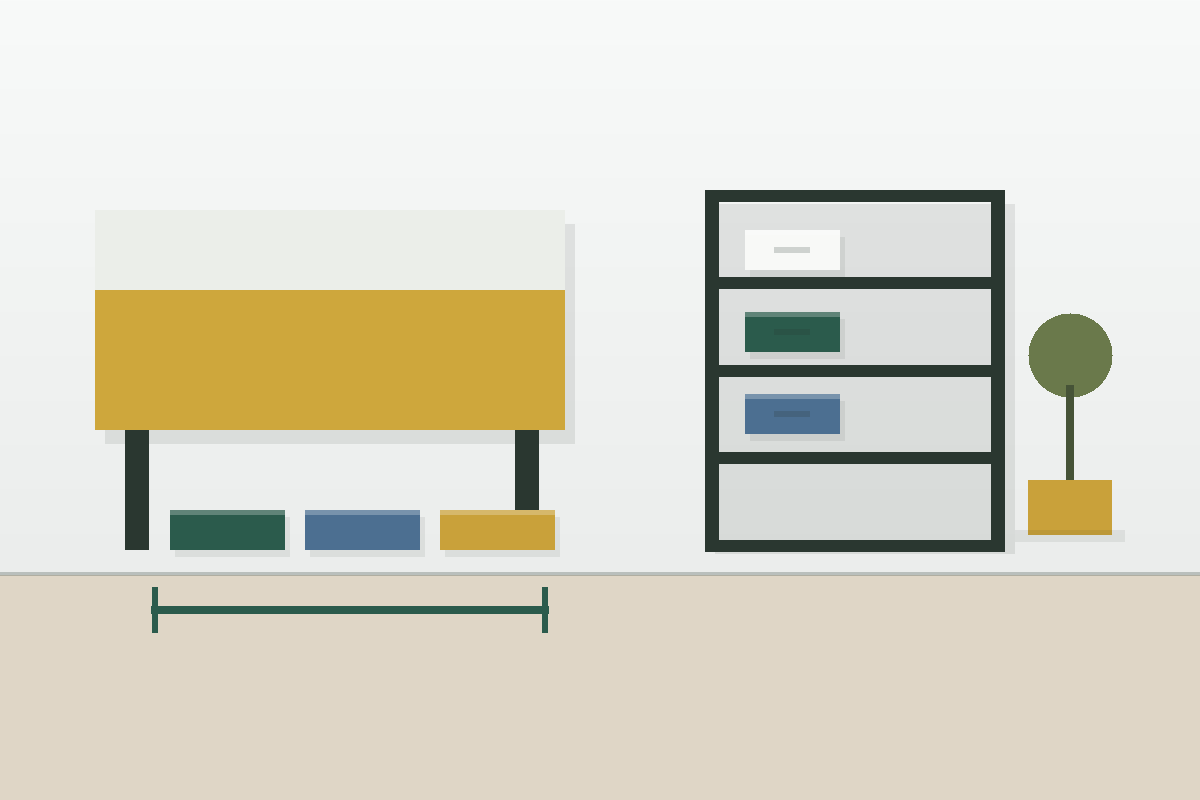
- Rail width: Measure usable rail length and separate short garments from long garments before buying a double rod.
- Shelf depth: Measure top-shelf depth and height so bins do not block doors or become too heavy to lift.
- Door access: Sliding, bifold, and swing doors change how far drawers, shelves, and shoe racks can extend.
- Floor depth: Measure closet floor depth after long garments hang down; shoe racks often steal space from coats or dresses.
Apartment size scenarios
Use these examples to translate the guide into a real apartment layout before you compare products.
36-inch closet
Use slim hangers, one short-garment rod zone, and a small top-shelf bin rather than trying to fit every organizer type.
Closet with sliding doors
Avoid deep drawers unless each drawer opens with one panel moved aside; shallow bins and rail-hung shelves usually work better.
Shared bedroom closet
Divide by vertical zones or person, then label seasonal bins so hidden storage stays searchable.
Choose it if / skip it if
Choose it if
- You need a full closet plan before buying hangers, rods, bins, and shoe storage.
- Most clothing categories can be grouped into hanging, folded, shoes, and seasonal overflow.
- You rent and want rail-hung, freestanding, or removable pieces.
Skip it if
- You have not edited clothes and duplicates yet.
- Most garments are long enough that a double rod would remove needed hanging height.
- The closet door type blocks drawers or deep bins.
Common small-space mistakes
- Buying a full organizer set before sorting clothes by category and length.
- Adding hanging shelves that crowd the rail but do not solve folded storage.
- Storing shoes on the floor where they block long garments or sliding doors.
Layout fit examples
Use the product type as a match for a specific apartment layout, not as a universal fix. The same organizer can feel excellent in one zone and annoying in another if reach, door swing, lighting, or cleaning access is wrong.
Often works well
- Slim hangers: strongest for maximizing rail capacity.
- Double rod: strongest for short hanging items.
- Top-shelf bins: strongest for seasonal and occasional items.
Check twice when
- Slim hangers: check twice when use one style for a calmer look.
- Double rod: check twice when not useful for long coats or dresses.
- Top-shelf bins: check twice when needs labels facing forward.
Product page checks
Before treating an item as a serious candidate, verify the current retailer page rather than relying on a photo or a short product title. Small-space storage fails most often when the listed size, material, mounting method, or return policy is ignored.
- Exact dimensions: Compare listed width, depth, height, and clearance to the measured apartment zone for this closet storage project.
- Material and finish: Confirm whether the surfaces are plastic, metal, fabric, bamboo, wire, or MDF because cleaning, moisture tolerance, and durability change quickly by material.
- Assembly and removal: Look for required tools, wall fasteners, adhesive cure times, leveling feet, wheels, or hardware that could affect a rental or a future move.
- Load and daily use: Match the stated load limit to the heaviest realistic contents, then ask whether the item will still be easy to open, pull, lift, or clean when full.
- Return window: Check the retailer return policy before ordering large or assembled items, especially when the fit depends on a narrow closet, cabinet, or entryway.
Apartment fit note
A useful tiny closet feels slightly underfilled. Leave a little rail space and one overflow decision point so the system can reset after laundry day.
Pros and cons
Pros
- Creates a complete closet plan
- Keeps buying focused
- Works in rentals
Cons
- Requires editing decisions
- Tiny closets fill quickly
- Double rods are not for every wardrobe
Alternative: If the closet cannot hold folded clothes, move folded basics to a dresser and reserve the closet for hanging plus shoes.
Small-space setup steps
- Remove everything and sort by keep, donate, repair, and seasonal.
- Measure rail width, shelf height, door opening, and floor depth.
- Install hangers and rods first, then add bins only for remaining categories.
Product examples to compare
Use these links as starting points for comparing dimensions, materials, availability, retailer policies, and whether the item fits your measured space.
Related small-space guides
Continue with guides that solve the next storage decision in the same apartment zone.

FAQ
What is the best first purchase for a tiny closet?
After editing clothes, slim matching hangers are usually the safest first upgrade. They improve rail capacity without changing the closet structure.
How do I set up a tiny closet with no drawers?
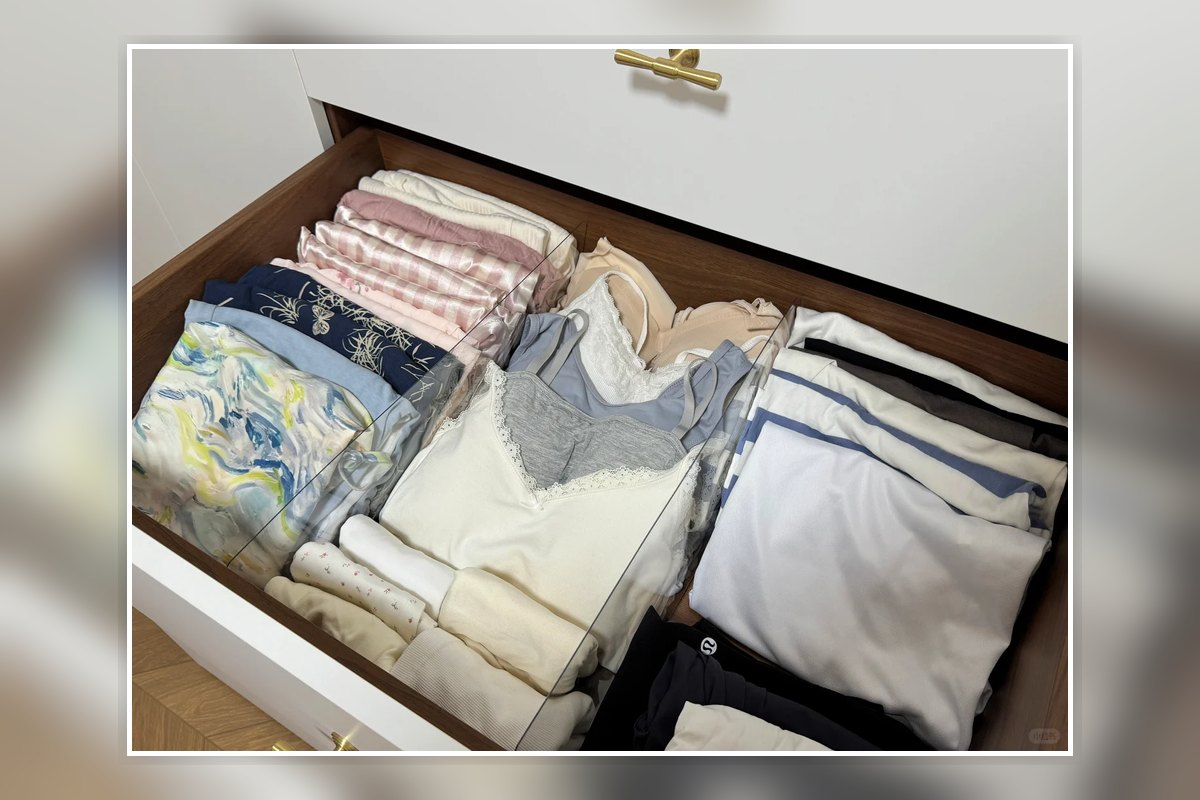
Use slim hangers for hanging items, one shelf or bin zone for folded items, and a small floor or door solution for shoes. Move folded basics to a dresser if the closet is too shallow.
Can a double rod work in a small closet?
A double rod works when most garments are shirts, pants, skirts, or light jackets. Keep one full-height zone for coats, dresses, or a hamper.
How should seasonal clothes be stored in a tiny closet?
Put seasonal items in labeled top-shelf bins, under-bed bags, or vacuum bags for bulky textiles. Keep daily clothes between shoulder and knee height.
How do I keep a tiny closet from filling again?
Leave a small amount of empty rail space, label hidden bins, and keep one donation or repair bag nearby so overflow has a decision point.