The short answer
What usually works
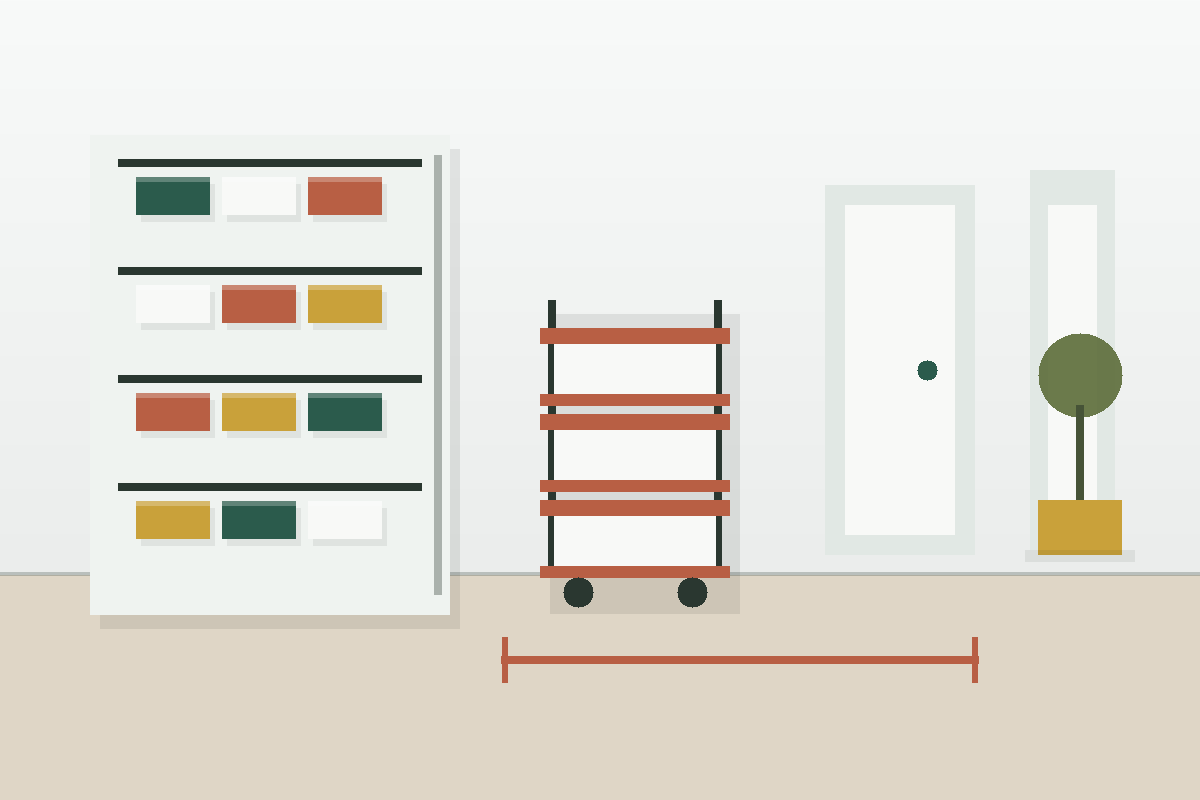
Add flexible storage to a narrow gap or corner without creating a rolling pile of unrelated overflow.
- A rolling cart should solve one storage job: pantry, coffee, bath, laundry, craft, or cleaning.
- The narrowest point often includes baseboards, appliance handles, rugs, or a door swing.
- Raised shelf lips and stable wheels matter more than a tall cart with too many shallow tiers.
Who this guide helps
- Narrow kitchen gaps
- Coffee stations
- Bathroom toiletries
- Laundry corners
Product-type comparison
| Option | Best for | Check before buying |
|---|---|---|
| Slim pantry cart | Cans, snacks, wraps, coffee pods | Can tip if heavy items sit high |
| Utility cart with handles | Crafts, toiletries, cleaning supplies | Needs room to turn |
| Metal mesh cart | Bathroom and laundry | Small packets need bins |
| Wood-top cart | Coffee or prep station | Needs more floor area |
How to choose
- Width: Measure the gap plus the baseboard. A cart that fits at the top may scrape at the bottom.
- Wheel quality: Small wheels snag on rugs and transitions.
- Shelf lip: Raised edges keep bottles from sliding off.
- Job clarity: Assign each tier a role before filling the cart.
Measure before buying
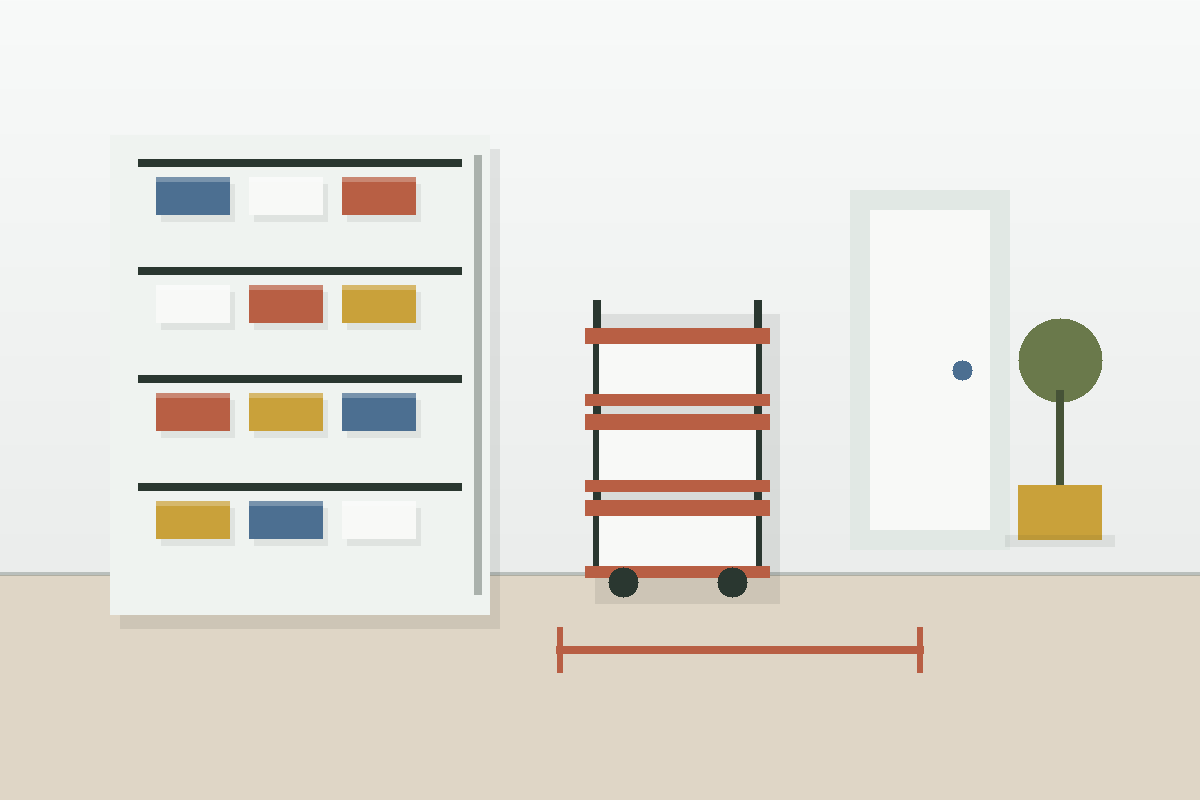
A rolling cart should be assigned one job and measured like movable furniture: gap width, wheel path, handle clearance, and turning room all matter.
- Narrowest gap: Measure the tightest point, including baseboards, appliance handles, hinges, and rugs.
- Wheel path: Check whether the cart will roll over thresholds, tile grout, rug edges, or uneven flooring.
- Pull clearance: Leave enough room for your hand, the handle, and the items on the cart to clear nearby doors or appliances.
- Shelf height: Measure bottles, cereal boxes, toiletries, or detergent before choosing the number of tiers.
Apartment size scenarios
Use these examples to translate the guide into a real apartment layout before you compare products.
5- to 8-inch fridge gap
Measure at the floor, counter edge, and handle height. A cart that clears the upper gap may still scrape the baseboard or hit a refrigerator handle.
24-inch bathroom vanity side
Choose washable bins and rust-resistant materials, then confirm the cart can pull out without blocking the toilet, shower door, or towel reach.
30-inch kitchen walkway
A rolling cart should not turn a small kitchen into a one-person bottleneck. Keep the cart parked outside appliance-door swing when the oven, fridge, or dishwasher opens.
Laundry closet
Put detergent low, stain tools in a middle bin, and light refills on top so the cart stays stable.
Choose it if / skip it if
Choose it if
- You need storage that pulls out for access or cleaning.
- A narrow gap can serve one clear job such as coffee, pantry, bath, or laundry.
- You can keep heavy items low and categories contained by shelf.
Skip it if
- The cart would block appliance doors, bathroom access, or a walking path.
- The contents are heavy enough to make a narrow cart unstable.
- A fixed shelf would hold more with less movement.
Common small-space mistakes
- Buying the tallest cart that fits instead of the most stable cart for the job.
- Filling every tier with unrelated overflow.
- Forgetting baseboards and appliance handles when measuring a slim gap.
Layout fit examples
Use the product type as a match for a specific apartment layout, not as a universal fix. The same organizer can feel excellent in one zone and annoying in another if reach, door swing, lighting, or cleaning access is wrong.
Often works well
- Slim pantry cart: strongest for cans, snacks, wraps, coffee pods.
- Utility cart with handles: strongest for crafts, toiletries, cleaning supplies.
- Metal mesh cart: strongest for bathroom and laundry.
Check twice when
- Slim pantry cart: check twice when can tip if heavy items sit high.
- Utility cart with handles: check twice when needs room to turn.
- Metal mesh cart: check twice when small packets need bins.
Product page checks
Before treating an item as a serious candidate, verify the current retailer page rather than relying on a photo or a short product title. Small-space storage fails most often when the listed size, material, mounting method, or return policy is ignored.
- Exact dimensions: Compare listed width, depth, height, and clearance to the measured apartment zone for this kitchen & pantry project.
- Material and finish: Confirm whether the surfaces are plastic, metal, fabric, bamboo, wire, or MDF because cleaning, moisture tolerance, and durability change quickly by material.
- Assembly and removal: Look for required tools, wall fasteners, adhesive cure times, leveling feet, wheels, or hardware that could affect a rental or a future move.
- Load and daily use: Match the stated load limit to the heaviest realistic contents, then ask whether the item will still be easy to open, pull, lift, or clean when full.
- Return window: Check the retailer return policy before ordering large or assembled items, especially when the fit depends on a narrow closet, cabinet, or entryway.
Apartment fit note
A cart works best when it behaves like a portable station, not a spare closet on wheels.
Pros and cons
Pros
- Flexible between rooms
- Good for narrow dead space
- Easy to clean behind
Cons
- Can become cluttered fast
- Cheap wheels wobble
- Heavy top shelves can tip
Alternative: If you rarely move the storage, a narrow stationary shelf may hold more with less wobble.
Small-space setup steps
- Measure the narrowest point, including baseboards and appliance handles.
- Put the heaviest items on the bottom tier.
- Use one small bin per shelf to keep categories contained.
Product examples to compare
Use these links as starting points for comparing dimensions, materials, availability, retailer policies, and whether the item fits your measured space.
Related small-space guides
Continue with guides that solve the next storage decision in the same apartment zone.


FAQ
What size rolling cart works best in a small apartment?
Choose the cart by the measured gap and the job it will do. Slim 5- to 8-inch carts can work beside fridges, while wider utility carts need turning room.
Are rolling carts good for small kitchens?
Yes, when they have a specific job such as coffee supplies, pantry overflow, wraps, or snacks. They become messy when every tier holds unrelated items.
Can a rolling cart work in a bathroom?
Yes, if the finish handles moisture and each shelf uses washable bins or trays so small items do not fall while moving.
How do I stop a rolling cart from tipping?
Put heavy items on the bottom tier, avoid tall bottles on the top shelf, and choose a cart with stable wheels and a wide enough base.
Should I buy a rolling cart or a narrow shelf?
Choose a cart when you need to pull storage out for access or cleaning. Choose a shelf when the storage rarely moves and needs more stability.