The short answer
What usually works
Turn a tiny kitchen into clear zones for prep, cooking, cleaning, food, and overflow without crowding counters.
- Buy for the repeated problem, not the empty-looking space: a riser fixes stacked mugs, a bin contains packets, and a cart handles true overflow.
- Usable inside dimensions matter more than nominal cabinet size because hinges, door lips, pipes, and center stiles take away space.
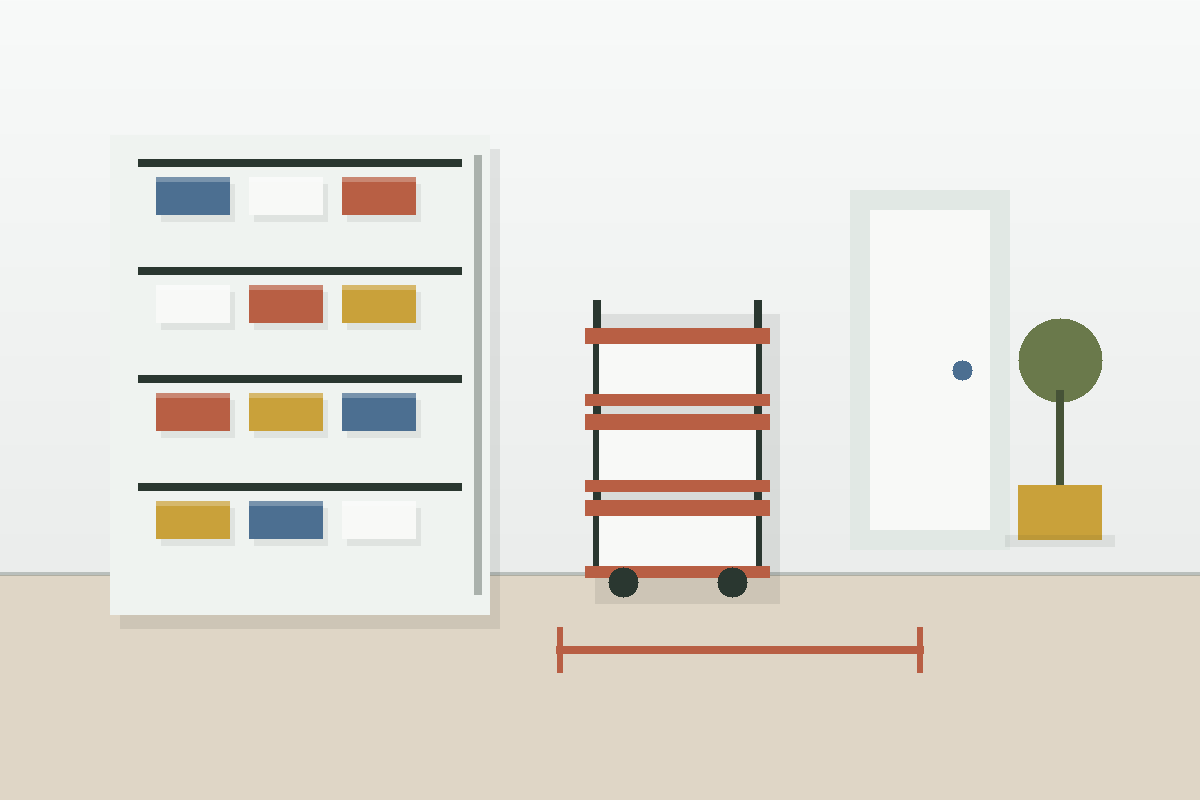
- A rolling cart helps only when it has one job, a measured parking spot, and a route that does not block the oven, fridge, dishwasher, or walkway.
Who this guide helps
- Studio kitchens
- Galley kitchens
- No-pantry apartments
- Shared rentals
Product-type comparison
| Option | Best for | Check before buying |
|---|---|---|
| Shelf riser | Crowded mugs, bowls, or plates inside an upper cabinet | Measure usable height and depth with the door closed; do not assume a nominal 12-inch cabinet accepts a 12-inch organizer |
| Narrow pantry bin | Packets and snacks in a no-pantry cabinet | Confirm the bin stays light enough to lift with one hand when full and does not catch on hinges or a center stile |
| Under-sink caddy or drawer | Cleaning supplies around plumbing | Map pipes, disposal parts, shutoff valves, and the lowest point of the sink before choosing drawer height |
| Slim rolling cart | A measured 5- to 8-inch gap or one movable overflow category | Check the narrowest width, handle and trim clearance, appliance swing, and the remaining walking path |
How to choose
- Repeated problem first: Name the pile or blocked routine before choosing a product: crowded mugs need a riser, loose packets need a bin, and true floor overflow may justify a cart.
- Usable inside dimensions: Measure past hinges, door lips, pipes, center stiles, and shelf supports instead of shopping from the cabinet's outside dimensions.
- Movement and landing space: Protect one uninterrupted prep zone and test every oven, fridge, dishwasher, drawer, and cabinet door before assigning a cart parking spot.
- Loaded access: Judge a bin or riser with the expected contents inside; heavy appliances belong low, while daily items should be reachable without moving another organizer.
Measure before buying
A small kitchen should be organized by workflow zones before individual products are chosen. Prep, cooking, cleaning, food, and overflow each need a clear home, while one counter landing zone and every appliance door stay usable.
- Counter landing zone: Set aside one uninterrupted area wide enough for your largest cutting board plus a mixing bowl. If an organizer removes that work surface, it has not created useful storage.
- Upper-cabinet opening: A cabinet described as 12 inches deep may have less usable space. Measure inside width, depth, and shelf height after hinges, door lips, and supports, then confirm the door closes around the loaded organizer.
- Base and under-sink cabinet: Measure the clear door opening as well as the interior. Mark pipes, disposal parts, shutoff valves, center stiles, and the lowest point of the sink before choosing a pull-out or drawer.
- Cart gap and walking path: For a slim 5- to 8-inch gap, measure at the front, middle, and back because walls and trim may vary. With the cart parked, aim to preserve about 30 inches of clear one-person passage and more where appliance doors open.
Apartment size scenarios
Use these examples to translate the guide into a real apartment layout before you compare products.
One-wall studio kitchen
Protect one uninterrupted prep landing zone and keep visual overflow behind a cabinet door. A wall rack is useful only for light daily tools that would otherwise occupy that exact counter area.
Narrow galley kitchen
Keep cabinet solutions inside the footprint first. Tape any proposed cart on the floor and open the oven, fridge, dishwasher, and opposite drawers; skip it if the remaining passage falls below about 30 inches.
No-pantry apartment
Turn one base or upper cabinet into the dry-goods zone. Use narrow bins for packets, a riser for cans or jars, and keep part of one shelf empty for the next grocery trip before adding a cart.
Shared rental kitchen
Assign labeled zones by person or meal moment, then give shared staples one refill shelf. This prevents private groceries and communal backstock from drifting onto the prep counter.
Choose it if / skip it if
Choose it if
- Counters are crowded because cabinets and pantry zones do not have clear jobs.
- You need storage that works within rental cabinets and move-out limits.
- You want a system that supports cooking flow rather than just adding containers.
Skip it if
- You are about to add open shelving before clearing cabinets and counters.
- A cart would block appliance doors, walkways, or cleaning access.
- The organizer solves a visual problem but not a repeated kitchen routine.
Common small-space mistakes
- Buying a cart from the advertised width without measuring the gap at the front, middle, and back.
- Using open shelves for every category and making the kitchen look busier while cabinets remain poorly divided.
- Putting occasional appliances on the counter while the cutting board and mixing bowl have no working space.
Layout fit examples
Use the product type as a match for a specific apartment layout, not as a universal fix. The same organizer can feel excellent in one zone and annoying in another if reach, door swing, lighting, or cleaning access is wrong.
Often works well
- Shelf riser: strongest for crowded mugs, bowls, or plates inside an upper cabinet.
- Narrow pantry bin: strongest for packets and snacks in a no-pantry cabinet.
- Under-sink caddy or drawer: strongest for cleaning supplies around plumbing.
Check twice when
- Shelf riser: check twice when measure usable height and depth with the door closed; do not assume a nominal 12-inch cabinet accepts a 12-inch organizer.
- Narrow pantry bin: check twice when confirm the bin stays light enough to lift with one hand when full and does not catch on hinges or a center stile.
- Under-sink caddy or drawer: check twice when map pipes, disposal parts, shutoff valves, and the lowest point of the sink before choosing drawer height.
Product page checks
Before treating an item as a serious candidate, verify the current retailer page rather than relying on a photo or a short product title. Small-space storage fails most often when the listed size, material, mounting method, or return policy is ignored.
- Exact dimensions: Compare listed width, depth, height, and clearance to the measured apartment zone for this kitchen & pantry project.
- Material and finish: Confirm whether the surfaces are plastic, metal, fabric, bamboo, wire, or MDF because cleaning, moisture tolerance, and durability change quickly by material.
- Assembly and removal: Look for required tools, wall fasteners, adhesive cure times, leveling feet, wheels, or hardware that could affect a rental or a future move.
- Load and daily use: Match the stated load limit to the heaviest realistic contents, then ask whether the item will still be easy to open, pull, lift, or clean when full.
- Return window: Check the retailer return policy before ordering large or assembled items, especially when the fit depends on a narrow closet, cabinet, or entryway.
Apartment fit note
Use a one-week rule: install one inside-cabinet fix, load it normally, and cook with it for a week. If the same category still lands on the counter, measure a second solution; if the pile disappears, stop buying organizers.
Pros and cons
Pros
- Improves cooking flow
- Reduces counter clutter
- Works without remodeling
Cons
- Too many organizers shrink usable space
- Adhesive products need careful removal
- Open storage requires editing
Alternative: If the kitchen has no spare wall or floor space, use one shelf riser, one contained dry-goods zone, and a pipe-friendly under-sink caddy before adding freestanding furniture.
Small-space setup steps
- Photograph the current counter and cabinet clutter, then group it into prep, cooking, cleaning, food, and overflow zones.
- Clear the counter and return only items used most days, preserving one uninterrupted area for your largest cutting board and a mixing bowl.
- Measure usable cabinet openings, shelf height, under-sink plumbing, appliance-door swing, and any potential cart gap.
- Buy the smallest inside-cabinet fix that solves the repeated problem, then load and use it for a week before adding another organizer.
- Add a cart only when the remaining category has no cabinet home and the parked cart preserves the walkway and appliance access.
Product examples to compare
Use these links as starting points for comparing dimensions, materials, availability, retailer policies, and whether the item fits your measured space.
Related small-space guides
Continue with guides that solve the next storage decision in the same apartment zone.
 Kitchen & Pantry
Best Pantry Organizers for Small Apartment Kitchens
Kitchen & Pantry
Best Pantry Organizers for Small Apartment Kitchens
 Kitchen & Pantry
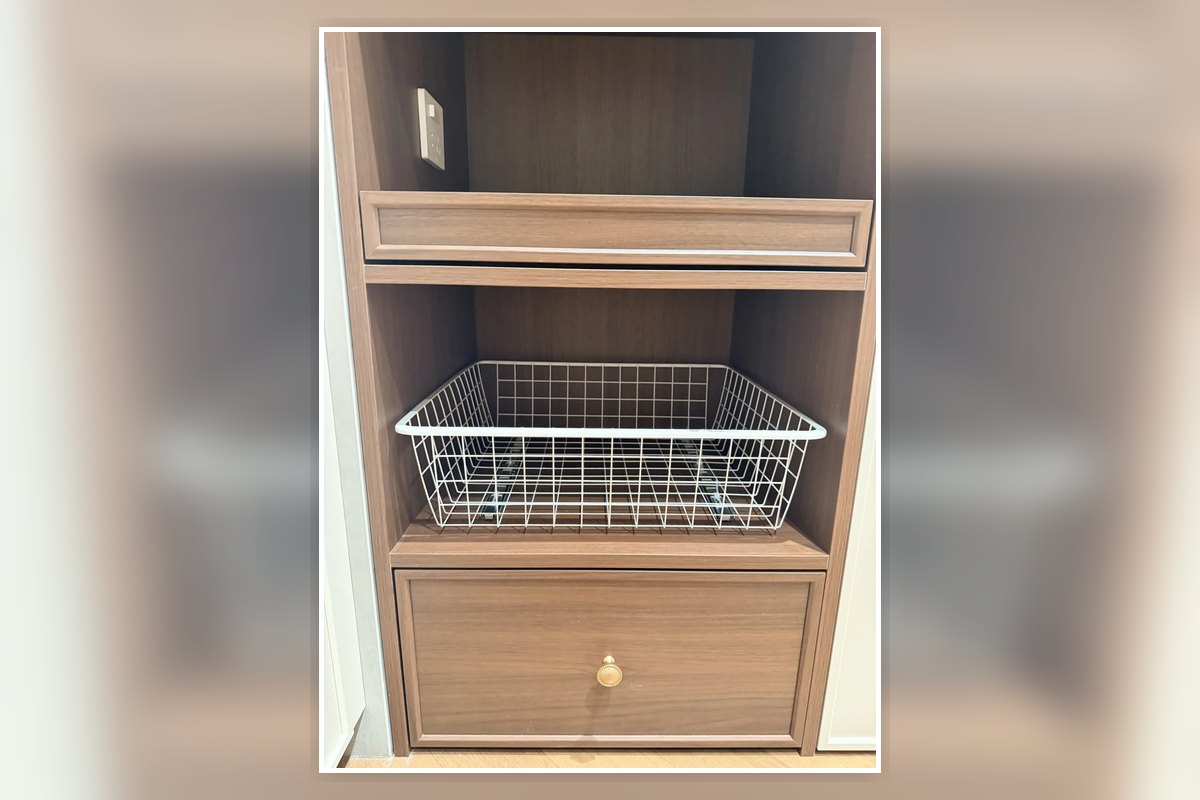
Best Cabinet Organizers for Apartment Kitchens
Kitchen & Pantry
Best Cabinet Organizers for Apartment Kitchens
 Kitchen & Pantry
Best Rolling Carts for Small Kitchens, Bathrooms, and Laundry Corners
Kitchen & Pantry
Best Rolling Carts for Small Kitchens, Bathrooms, and Laundry Corners
 Renter-Friendly Shelving
Measure Before You Buy Storage Checklist for Apartments
Renter-Friendly Shelving
Measure Before You Buy Storage Checklist for Apartments
FAQ
What should I buy first for a tiny apartment kitchen?
Start with the smallest organizer that fixes a repeated problem inside existing storage. A shelf riser is a strong first buy for stacked mugs or plates; a narrow bin is better for loose packets. Add a cart only after those cabinet fixes still leave one clear overflow category.
What should stay on a small kitchen counter?
Keep only daily-use appliances and the tools needed for prep. Store occasional appliances low in a cabinet, cart, or closet shelf so the counter stays usable.
Is a rolling cart worth it in a small kitchen?
A rolling cart is worth it when it has a measured parking spot and one clear job, such as coffee supplies, pantry overflow, or baking items. Test the parked footprint with tape and open every nearby appliance and cabinet door before ordering.
How do I organize a kitchen with no pantry?
Use one cabinet as the dry-goods zone, group packets in narrow bins, add a riser only where it reveals a second usable level, and leave a small refill shelf partly empty so new groceries do not land on the counter.
Should renters use adhesive kitchen storage?
Use adhesive storage only for light items on suitable surfaces, and verify removal risk first. For heavier items, use freestanding shelves, cabinet organizers, or carts.