
The short answer
What usually works
Create a small laundry system that handles dirty clothes, supplies, folding, and clean-away without blocking machines.
- Laundry storage should support the whole flow: dirty, washing, drying, folding, and putting away.
- Slim hampers and handled supply caddies often work better than a full furniture system in tight apartments.
- Shelves and carts should never block machine doors, lint traps, hookups, vents, or cleaning access.
Who this guide helps
- Laundry closets
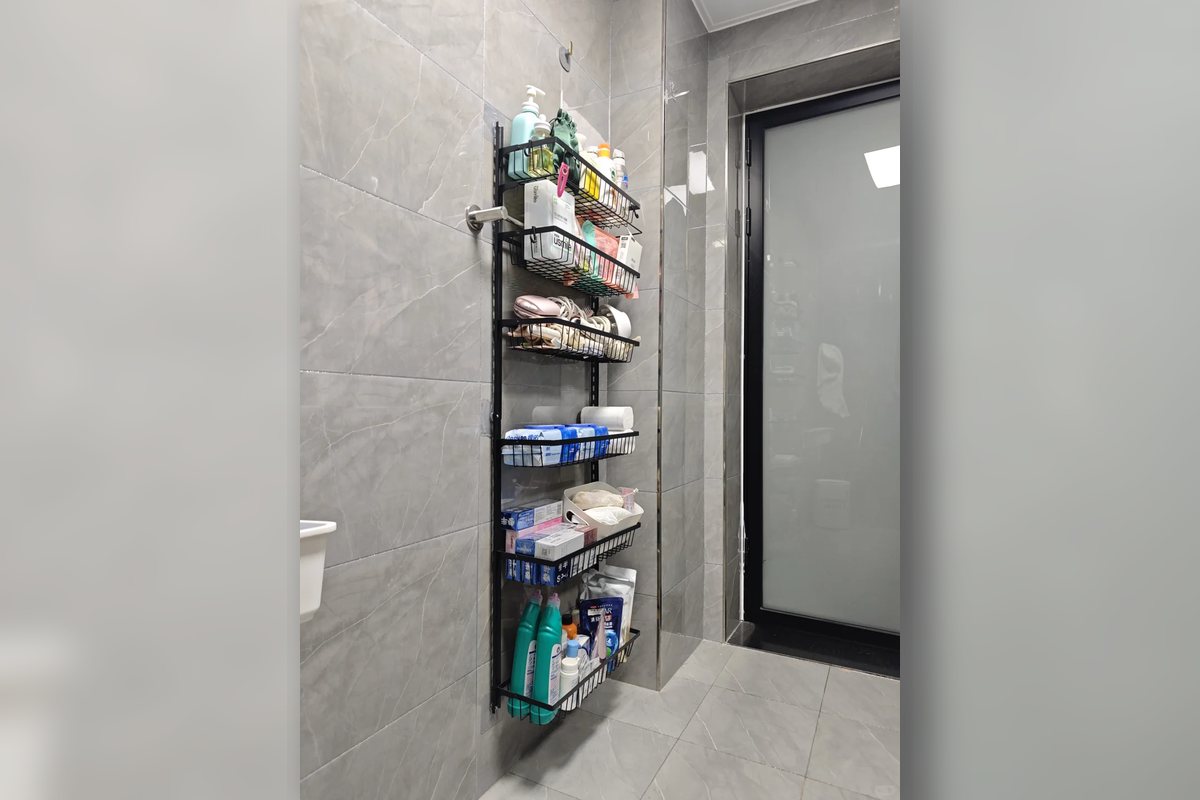
- Bathroom laundry corners
- Shared laundry supplies
- No dedicated laundry room
Product-type comparison
| Option | Best for | Check before buying |
|---|---|---|
| Slim hamper | Tight bathroom or closet corners | Capacity may be limited |
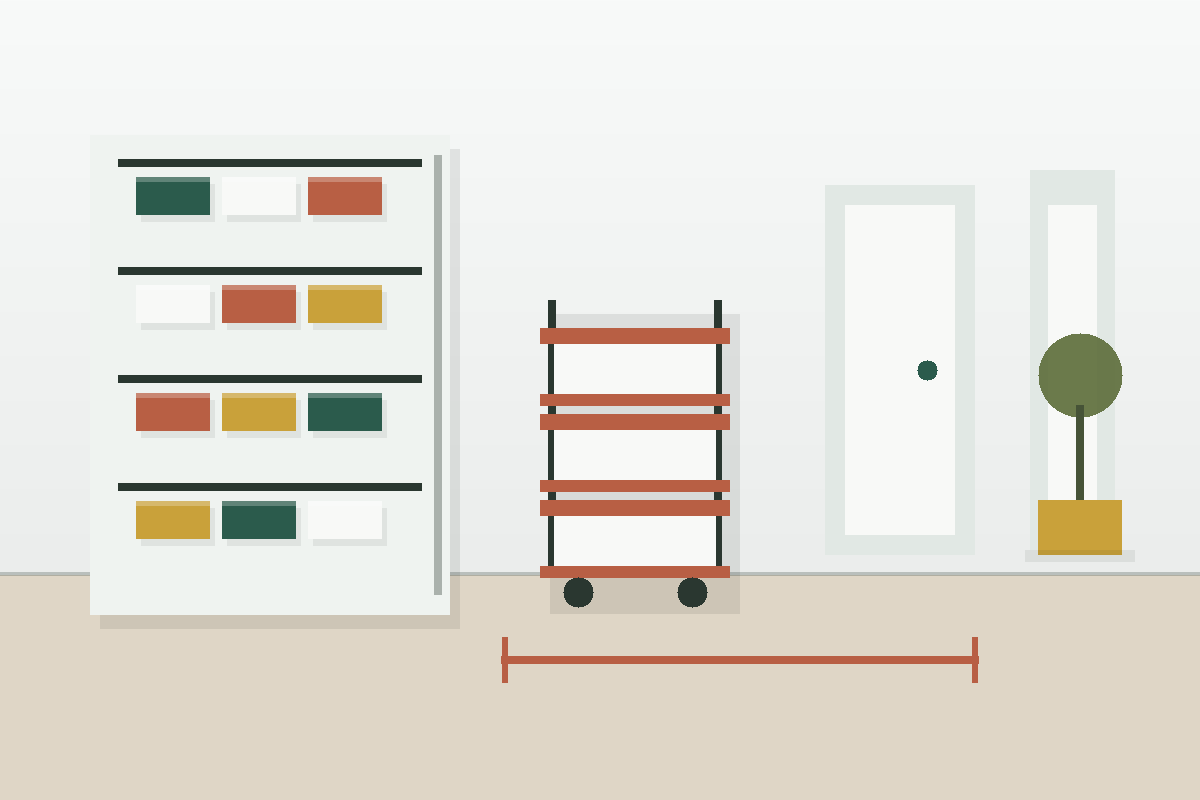
| Rolling laundry cart | Supplies beside machines | Needs wheel clearance |
| Over-washer shelf | Detergent, dryer sheets, stain tools | Check machine vibration |
| Stackable bins | Backstock and cleaning cloths | Need labels |
How to choose
- Laundry flow: Plan for dirty, washing, drying, folding, and clean-away stages.
- Moisture: Choose breathable hampers and washable supply bins.
- Machine access: Do not block doors, lint traps, hookups, or vents.
- Shared use: Labels prevent supply mix-ups in shared apartments.
Measure before buying
Laundry storage should follow the laundry flow: dirty clothes, active supplies, drying or folding, and clean-away each need a place that does not block machines.
- Machine clearance: Measure washer and dryer door swing, lid lift, lint access, hookups, and vents before adding shelves or carts.
- Hamper route: Check whether the hamper can move from bedroom or bathroom to the laundry area without blocking paths.
- Supply height: Keep active supplies reachable but away from direct moisture and machine heat.
- Vibration zone: Avoid placing unstable bottles or shelves where machine vibration can shift them.
Apartment size scenarios
Use these examples to translate the guide into a real apartment layout before you compare products.
Laundry closet
Use vertical wall or shelf storage only after confirming machine doors, hookups, and lint access stay clear.
Bathroom laundry corner
Choose breathable hampers and washable bins because humidity can affect fabric storage.
Shared laundry room supplies
Use a labeled handled caddy so supplies move with the load instead of living loose in a hallway or closet.
Choose it if / skip it if
Choose it if
- Laundry piles form because dirty, clean, and supply zones are mixed.
- You need a compact system for a closet, bathroom corner, or shared laundry area.
- A hamper and caddy can solve most of the problem before shelves are added.
Skip it if
- A shelf or cart would block machine doors, vents, hookups, or lint traps.
- A tall unit would be unstable in a narrow closet.
- You are storing backstock where active supplies should live.
Common small-space mistakes
- Buying shelves before choosing a hamper and supply system.
- Blocking washer doors, dryer doors, or lint access with storage.
- Keeping every detergent backup in the laundry corner when space is tight.
Layout fit examples
Use the product type as a match for a specific apartment layout, not as a universal fix. The same organizer can feel excellent in one zone and annoying in another if reach, door swing, lighting, or cleaning access is wrong.
Often works well
- Slim hamper: strongest for tight bathroom or closet corners.
- Rolling laundry cart: strongest for supplies beside machines.
- Over-washer shelf: strongest for detergent, dryer sheets, stain tools.
Check twice when
- Slim hamper: check twice when capacity may be limited.
- Rolling laundry cart: check twice when needs wheel clearance.
- Over-washer shelf: check twice when check machine vibration.
Product page checks
Before treating an item as a serious candidate, verify the current retailer page rather than relying on a photo or a short product title. Small-space storage fails most often when the listed size, material, mounting method, or return policy is ignored.
- Exact dimensions: Compare listed width, depth, height, and clearance to the measured apartment zone for this bathroom & laundry project.
- Material and finish: Confirm whether the surfaces are plastic, metal, fabric, bamboo, wire, or MDF because cleaning, moisture tolerance, and durability change quickly by material.
- Assembly and removal: Look for required tools, wall fasteners, adhesive cure times, leveling feet, wheels, or hardware that could affect a rental or a future move.
- Load and daily use: Match the stated load limit to the heaviest realistic contents, then ask whether the item will still be easy to open, pull, lift, or clean when full.
- Return window: Check the retailer return policy before ordering large or assembled items, especially when the fit depends on a narrow closet, cabinet, or entryway.
Apartment fit note
In most apartments, a slim hamper plus a handled supply caddy beats a large laundry furniture system.
Pros and cons
Pros
- Reduces laundry piles
- Keeps supplies together
- Works in closets or bathrooms
Cons
- Tall shelves can be unstable
- Hampers fill fast
- Humidity can affect fabric bins
Alternative: Use one divided hamper and a small handled supply caddy if there is no room for furniture.
Small-space setup steps
- Map where laundry currently piles up.
- Add one hamper solution and one supply solution before adding shelves.
- Keep the folding surface temporary unless you have a true laundry nook.
Product examples to compare
Use these links as starting points for comparing dimensions, materials, availability, retailer policies, and whether the item fits your measured space.
Related small-space guides
Continue with guides that solve the next storage decision in the same apartment zone.

FAQ
How do I organize laundry supplies in a small apartment?
Use one active supply zone near the machine and one backstock zone elsewhere. A handled caddy or rolling cart keeps detergent, stain tools, and dryer items together.
What hamper works best for a small apartment?
A slim breathable hamper, divided hamper, or rolling sorter works best when it fits the route from bedroom or bathroom to the laundry area.
Can I put shelves above a washer or dryer?
Only if the shelves are secure, lease-appropriate, and do not block hookups, vents, lids, or machine movement. Keep heavy liquids low when possible.
How do I organize laundry without a laundry room?
Create a compact system: one hamper, one supply caddy, one temporary folding surface, and one backstock bin away from the machines.
Where should detergent be stored?
Store active detergent near the machine but away from direct moisture and heat. Backstock can live in a labeled bin outside the laundry corner.