The short answer
What usually works
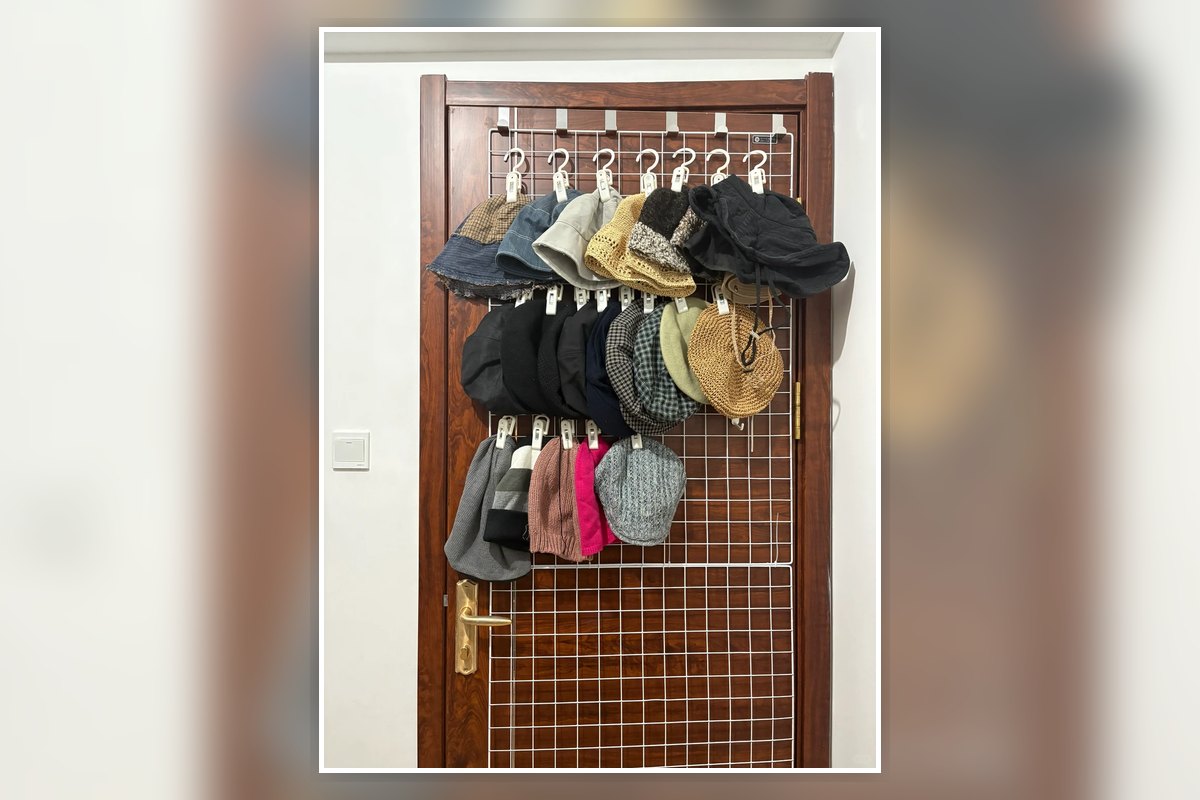
Turn the back of a door into useful storage without drilling, blocking the door, or overloading a rental door.
- The right over-door organizer starts with door clearance, not pocket count.
- Soft pockets are best for light flexible items; metal racks are better for rigid bottles, cans, and shoes.
- Pads, bumpers, and sensible weight limits make over-door storage more renter-friendly.
Who this guide helps
- Closet doors
- Bathroom doors
- Pantry doors
- Dorm-style rooms
Product-type comparison
| Option | Best for | Check before buying |
|---|---|---|
| Soft pocket organizer | Scarves, toiletries, pantry packets | Pockets can stretch with heavy bottles |
| Metal basket rack | Cleaning sprays, cans, shoes | May rattle unless padded |
| Over-door hooks | Bags, coats, robes | Can mark trim without felt pads |
| Slim shoe organizer | Flats, sandals, accessories | Bulky shoes may not fit |
How to choose
- Door clearance: Check the gap above the door and whether hooks hit the frame.
- Weight: Match organizer type to item weight and door strength.
- Noise: Metal racks need bumpers if the door opens often.
- Access: Keep daily items between shoulder and waist height when possible.
Measure before buying
Over-door storage works only when the door can still close, swing, and carry the load without rubbing trim or rattling every time it moves.
- Door thickness: Compare the hook size to the actual door thickness before buying.
- Top clearance: Check the gap above the door and whether the organizer hits the frame when the door closes.
- Rack depth: Measure the space behind the open door so baskets or shoes do not hit the wall, towel bar, or closet contents.
- Item weight: Match pockets, hooks, or baskets to the weight of the stored items and keep heavier items lower.
Apartment size scenarios
Use these examples to translate the guide into a real apartment layout before you compare products.
Bathroom door
Use moisture-resistant pockets or baskets and keep daily items at reachable height without blocking towel movement or ventilation.
Closet door with bifold panels
Check whether hooks interfere with the fold before buying; many over-door racks work better on standard swing doors.
Pantry door
Use shallow baskets for packets, wraps, and light cans, then add pads where the rack touches the door.
Choose it if / skip it if
Choose it if
- Walls are off limits and the door has clean top clearance.
- You need light closet, bathroom, pantry, or shoe overflow.
- You want storage that can move rooms without installation.
Skip it if
- The door barely closes now or already rubs the frame.
- The items are heavy enough to stress hooks or a hollow-core door.
- The organizer would block ventilation, a towel bar, or the door swing.
Common small-space mistakes
- Buying by pocket count before measuring door clearance.
- Putting heavy bottles in soft pockets that stretch and sag.
- Skipping bumpers and then living with a rack that rattles every day.
Layout fit examples
Use the product type as a match for a specific apartment layout, not as a universal fix. The same organizer can feel excellent in one zone and annoying in another if reach, door swing, lighting, or cleaning access is wrong.
Often works well
- Soft pocket organizer: strongest for scarves, toiletries, pantry packets.
- Metal basket rack: strongest for cleaning sprays, cans, shoes.
- Over-door hooks: strongest for bags, coats, robes.
Check twice when
- Soft pocket organizer: check twice when pockets can stretch with heavy bottles.
- Metal basket rack: check twice when may rattle unless padded.
- Over-door hooks: check twice when can mark trim without felt pads.
Product page checks
Before treating an item as a serious candidate, verify the current retailer page rather than relying on a photo or a short product title. Small-space storage fails most often when the listed size, material, mounting method, or return policy is ignored.
- Exact dimensions: Compare listed width, depth, height, and clearance to the measured apartment zone for this closet storage project.
- Material and finish: Confirm whether the surfaces are plastic, metal, fabric, bamboo, wire, or MDF because cleaning, moisture tolerance, and durability change quickly by material.
- Assembly and removal: Look for required tools, wall fasteners, adhesive cure times, leveling feet, wheels, or hardware that could affect a rental or a future move.
- Load and daily use: Match the stated load limit to the heaviest realistic contents, then ask whether the item will still be easy to open, pull, lift, or clean when full.
- Return window: Check the retailer return policy before ordering large or assembled items, especially when the fit depends on a narrow closet, cabinet, or entryway.
Apartment fit note
The best over-door organizer is the one you stop noticing: the door closes cleanly, the rack is quiet, and the stored items match the door's strength.
Pros and cons
Pros
- No drilling
- Uses ignored vertical space
- Moves easily between rooms
Cons
- Can prevent doors from closing
- May rattle
- Not for heavy long-term loads
Alternative: If the door has no clearance, try a freestanding narrow shelf beside the door instead.
Small-space setup steps
- Measure door thickness, top gap, and the depth available when the door opens.
- Choose pockets for light flexible items or baskets for rigid bottles and cans.
- Add felt pads where metal touches the door to reduce noise and marks.
Product examples to compare
Use these links as starting points for comparing dimensions, materials, availability, retailer policies, and whether the item fits your measured space.
Related small-space guides
Continue with guides that solve the next storage decision in the same apartment zone.
FAQ
Will an over-door organizer damage a rental door?
It can rub paint or trim if the hooks are tight, unpadded, or overloaded. Felt pads and lighter contents reduce the risk.
How do I know if an over-door organizer will fit?
Measure door thickness, the gap above the door, and the depth available when the door opens against a wall or towel bar.
Are over-door organizers good for shoes?
They work well for flats, sandals, accessories, and lighter sneakers. Bulky shoes may need an open rack or slim cabinet instead.
Can I use an over-door organizer in a bathroom?
Yes, if the material tolerates moisture and the rack does not block ventilation, towels, or the door swing.
How do I stop an over-door rack from rattling?
Use rubber bumpers or felt pads where the rack touches the door, and keep heavier items low and balanced.