The short answer
What usually works
Choose the least risky way to add storage based on lease rules, wall surface, weight, removal, and move-out expectations.
- Lease rules and surface material matter more than packaging claims about damage-free storage.
- Adhesive products are for light items on suitable surfaces, not heavy shelves or high-tug routines.
- Freestanding shelves, over-door racks, and tension systems often solve renter storage with less wall risk.
Real apartment layout examples
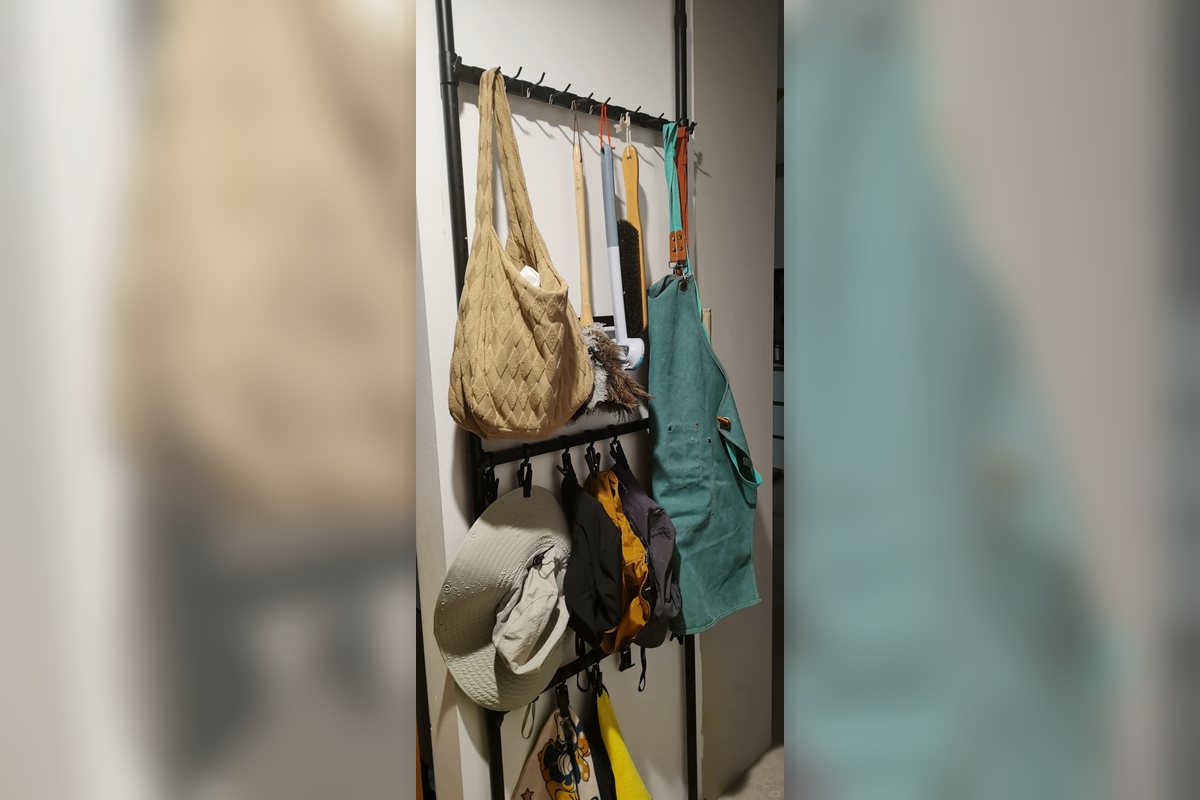
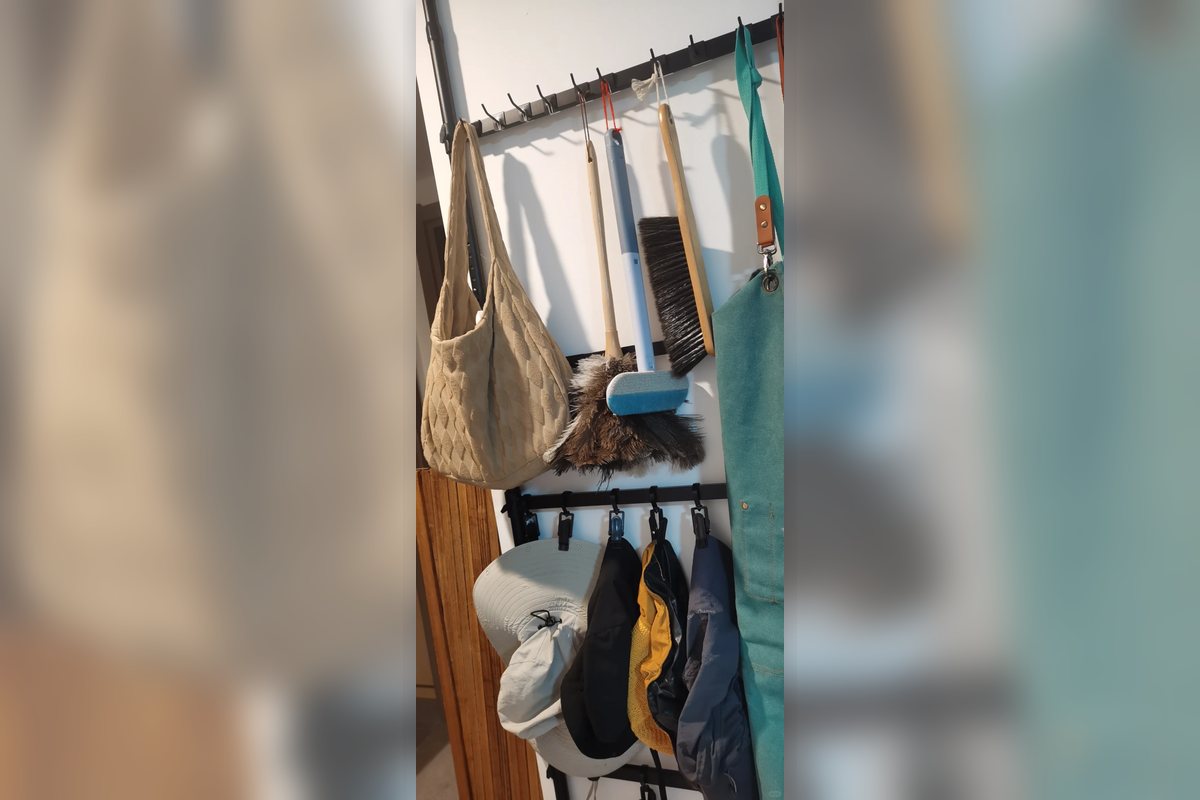
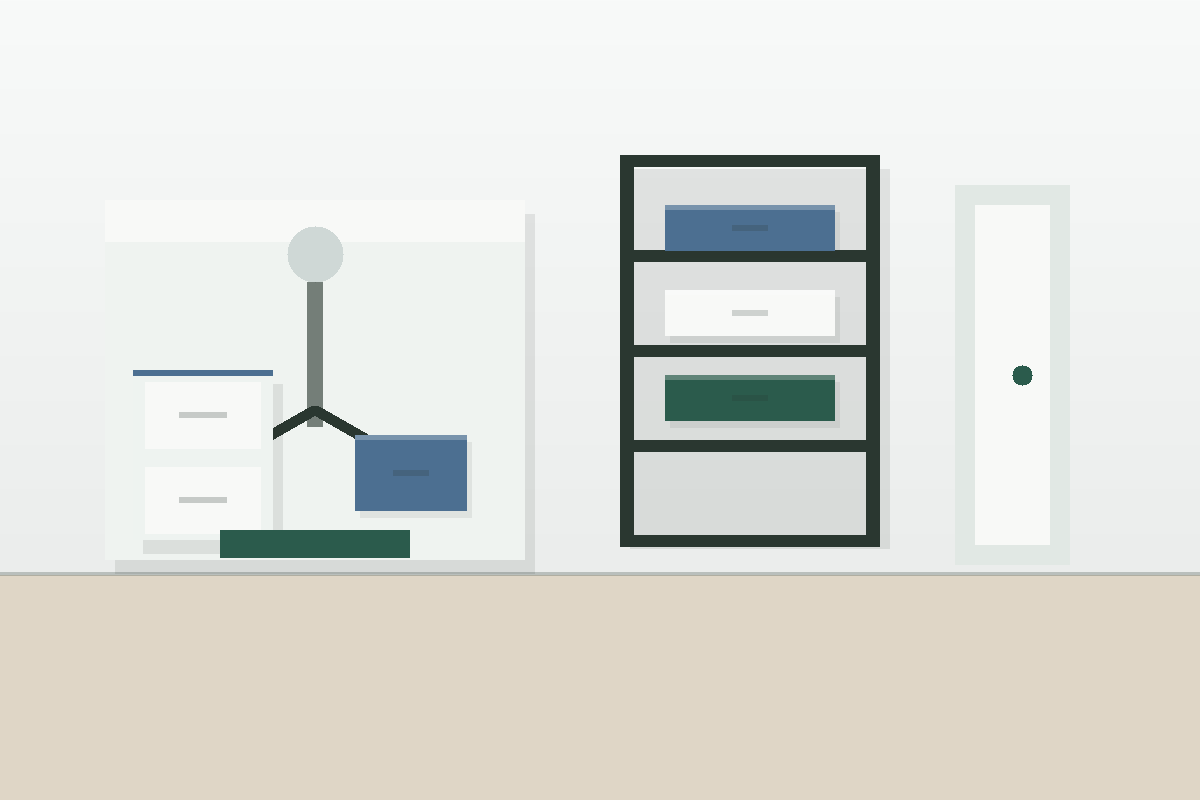
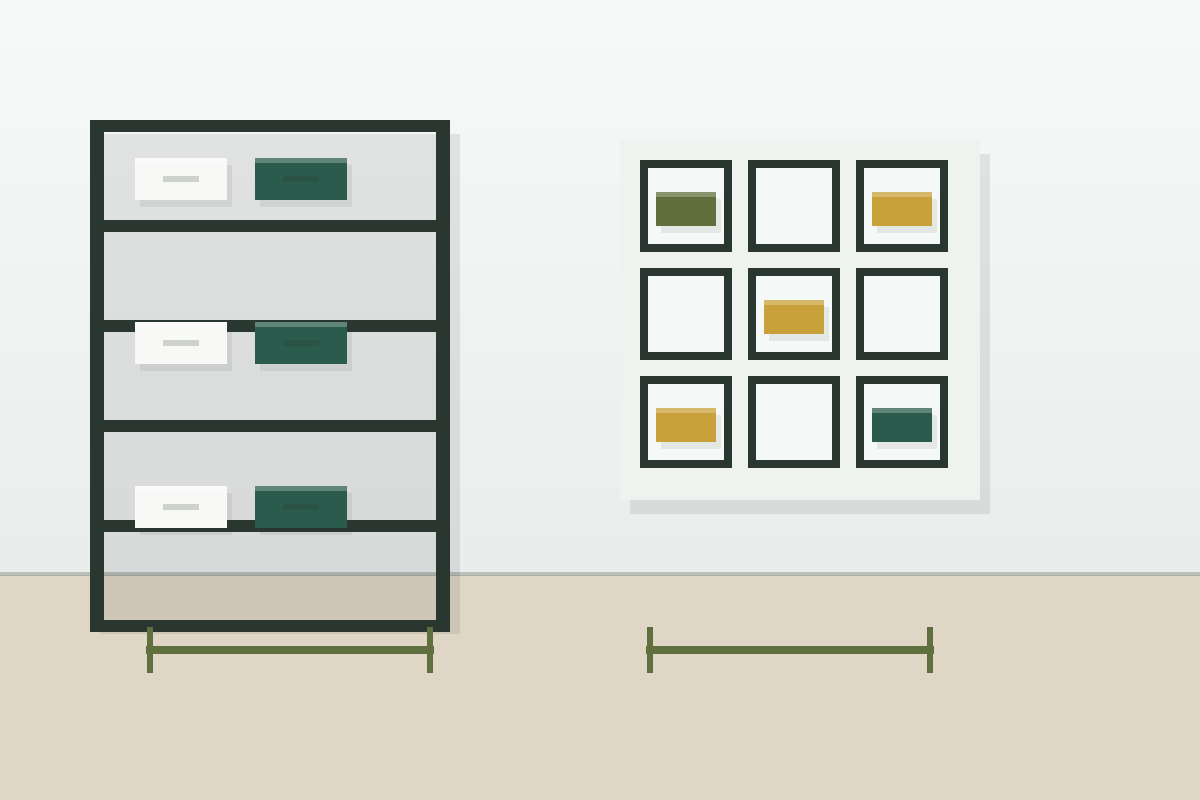
Use these real layouts to check furniture depth, access, door movement, and the walking path before choosing storage for a compact entry.
Who this guide helps
- Renters
- No-drill setups
- Temporary apartments
- Damage-conscious storage planning
Product-type comparison
| Option | Best for | Check before buying |
|---|---|---|
| Adhesive hooks | Keys, light towels, small tools | Surface must be smooth and clean |
| Tension rods or shelves | Light closet and bathroom items | Needs solid opposing surfaces |
| Over-door racks | Medium light storage without holes | Check clearance and door strength |
| Freestanding units | Books, bins, kitchen overflow | Needs stability and floor space |
How to choose
- Lease terms: Confirm what is allowed before mounting anything permanent.
- Surface type: Textured walls, old paint, tile, and moisture change removal risk.
- Weight: Stay well below the listed limit and account for tugging or movement.
- Removal: Plan removal before installation, especially with adhesive products.
Measure before buying
Renter-safe mounting starts with the lease, then the surface, then the load. The product type comes last.
- Lease boundary: Confirm what holes, adhesives, anchors, or removable products are allowed before installing anything.
- Surface type: Identify drywall, plaster, tile, brick, hollow door, painted trim, or textured walls because removal risk changes by surface.
- Real load: Estimate the full weight plus daily tugging, towel pulling, door movement, or item removal.
- Removal plan: Know how the product comes off before installing it, especially for adhesive products.
Apartment size scenarios
Use these examples to translate the guide into a real apartment layout before you compare products.
400 sq ft studio wall
Use freestanding or over-door storage before adhesive shelves. In one-room layouts, visible wall damage and overloaded hooks are harder to hide at move-out.
Painted drywall
Use adhesive only for light items and test removal expectations before relying on it for visible walls.
Tile bathroom
Avoid drilling unless allowed and appropriate; use caddies, over-door racks, or freestanding storage where possible.
Heavy pantry overflow
Use a freestanding shelf or cabinet instead of adhesive or tension products. Damage-free does not mean weight-safe.
Choose it if / skip it if
Choose it if
- You rent and need storage without unclear move-out damage.
- The stored category is light enough for adhesive, over-door, or tension products.
- You can choose freestanding storage for heavy items.
Skip it if
- The lease, wall material, or removal risk is unclear for the load.
- The item is heavy enough to need real anchoring but drilling is not allowed.
- Humidity, texture, or old paint makes adhesive unreliable.
Common small-space mistakes
- Treating damage-free as weight-safe.
- Using adhesive hooks for items that get tugged every day.
- Ignoring removal until move-out week.
Layout fit examples
Use the product type as a match for a specific apartment layout, not as a universal fix. The same organizer can feel excellent in one zone and annoying in another if reach, door swing, lighting, or cleaning access is wrong.
Often works well
- Adhesive hooks: strongest for keys, light towels, small tools.
- Tension rods or shelves: strongest for light closet and bathroom items.
- Over-door racks: strongest for medium light storage without holes.
Check twice when
- Adhesive hooks: check twice when surface must be smooth and clean.
- Tension rods or shelves: check twice when needs solid opposing surfaces.
- Over-door racks: check twice when check clearance and door strength.
Product page checks
Before treating an item as a serious candidate, verify the current retailer page rather than relying on a photo or a short product title. Small-space storage fails most often when the listed size, material, mounting method, or return policy is ignored.
- Exact dimensions: Compare listed width, depth, height, and clearance to the measured apartment zone for this renter-friendly shelving project.
- Material and finish: Confirm whether the surfaces are plastic, metal, fabric, bamboo, wire, or MDF because cleaning, moisture tolerance, and durability change quickly by material.
- Assembly and removal: Look for required tools, wall fasteners, adhesive cure times, leveling feet, wheels, or hardware that could affect a rental or a future move.
- Load and daily use: Match the stated load limit to the heaviest realistic contents, then ask whether the item will still be easy to open, pull, lift, or clean when full.
- Return window: Check the retailer return policy before ordering large or assembled items, especially when the fit depends on a narrow closet, cabinet, or entryway.
Apartment fit note
For renters, the safest order is usually freestanding first, over-door second, tension where surfaces are solid, and adhesive only for light daily items.
Pros and cons
Pros
- Reduces repair risk
- Helps choose safer products
- Works for temporary homes
Cons
- Lower weight limits
- Adhesive can still damage paint
- Freestanding units take floor space
Alternative: For heavy storage, skip mounted products and use a stable shelf, cart, or cabinet that can move with you.
Small-space setup steps
- Read the lease and photograph the wall condition.
- Match the storage weight to the least risky method.
- Test adhesives in a low-visibility area only when the surface is appropriate.
Product examples to compare
Use these links as starting points for comparing dimensions, materials, availability, retailer policies, and whether the item fits your measured space.
Related small-space guides
Continue with guides that solve the next storage decision in the same apartment zone.
FAQ
What is the safest storage mounting method for renters?
For heavy storage, freestanding furniture is usually safest. For light daily items, adhesive hooks, over-door racks, or tension systems can work when the surface and load are appropriate.
Are adhesive hooks safe for apartment walls?
They can be safe for light items on clean, smooth, suitable surfaces, but old paint, texture, humidity, and removal technique can still cause damage.
Can renters install shelves?
Only if the lease allows it and the wall material can support the load. If you are unsure, choose freestanding shelving or over-door storage.
Are tension shelves renter-friendly?
They can be useful for light bathroom or closet items when installed between solid, level surfaces. They are not a substitute for heavy-duty shelving.
How do I reduce move-out damage risk?
Photograph wall condition before installation, stay below weight limits, avoid questionable surfaces, and plan removal before placing the first hook or shelf.