The short answer
What usually works
Choose a drawer system that keeps small items visible without wasting shallow apartment drawer space.
- Drawer dividers work only after duplicates are edited and categories are clear.
- Expandable dividers are flexible for moves; trays are better for small objects that scatter.
- Internal drawer height matters because tall organizers can scrape or block the drawer from closing.
Who this guide helps
- Dresser drawers
- Kitchen utensils
- Bathroom vanity drawers
- Desk supplies
Product-type comparison
| Option | Best for | Check before buying |
|---|---|---|
| Spring-loaded dividers | Socks, tees, kitchen towels | Need straight drawer walls |
| Expandable utensil tray | Flatware and cooking tools | May waste odd corners |
| Small box set | Makeup, desk supplies, cables | Can shift without grip pads |
| Adjustable grid organizer | Underwear and accessories | Takes time to configure |
How to choose
- Internal dimensions: Measure inside width, depth, and height, not the drawer face.
- Item size: Tiny items need trays; folded fabric needs long dividers.
- Flexibility: Adjustable systems survive moves better than exact-fit inserts.
- Cleanability: Kitchen and bathroom inserts should be wipeable.
Measure before buying
Drawer dividers should match the inside drawer box and the shape of the items, not the outside drawer face or a pretty organizer set.
- Inside width and depth: Measure the drawer box from inside wall to inside wall after slides, stops, and rounded corners.
- Inside height: Confirm that dividers, trays, or stacked boxes do not scrape when the drawer closes.
- Item length: Measure long utensils, folded tees, hair tools, or cables before dividing the drawer into small compartments.
- Grip needs: Check whether the drawer bottom is slick enough to need liner or interlocking organizers.
Apartment size scenarios
Use these examples to translate the guide into a real apartment layout before you compare products.
Shallow bathroom vanity drawer
Use low trays for makeup, razors, or dental items and check that handles or bottles do not scrape the drawer above.
Small dresser drawer
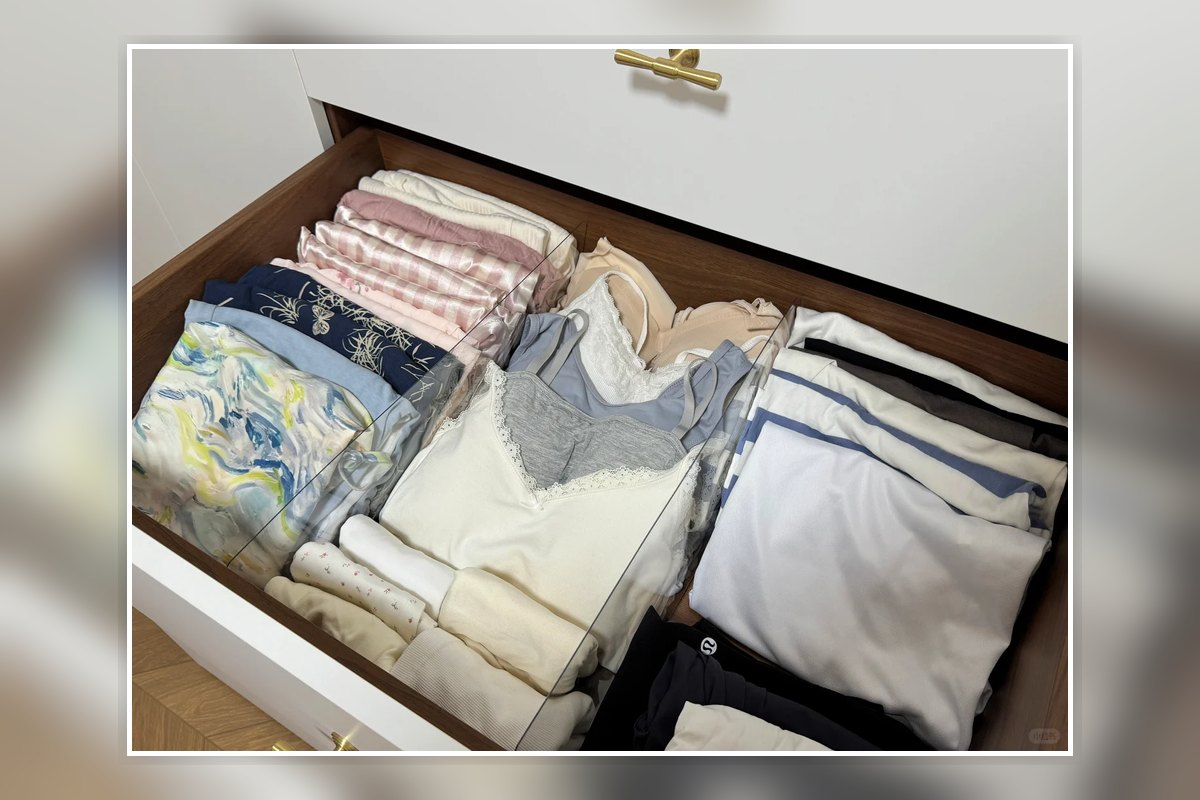
Use longer dividers for folded fabric categories and leave one wider lane for bulky items.
Kitchen utensil drawer
Measure the longest spatula or knife guard before choosing an expandable tray.
Choose it if / skip it if
Choose it if
- Small categories mix together and slow down daily routines.
- You need a flexible system that can move between rooms.
- You have already edited duplicates and know which categories remain.
Skip it if
- The drawer is overstuffed before organization starts.
- The organizer is taller than the internal drawer height.
- A single open category already stays neat without dividers.
Common small-space mistakes
- Buying exact-fit trays before testing categories with temporary boxes.
- Dividing every drawer instead of the drawers that actually mix.
- Forgetting that shallow kitchen and vanity drawers need low-profile inserts.
Layout fit examples
Use the product type as a match for a specific apartment layout, not as a universal fix. The same organizer can feel excellent in one zone and annoying in another if reach, door swing, lighting, or cleaning access is wrong.
Often works well
- Spring-loaded dividers: strongest for socks, tees, kitchen towels.
- Expandable utensil tray: strongest for flatware and cooking tools.
- Small box set: strongest for makeup, desk supplies, cables.
Check twice when
- Spring-loaded dividers: check twice when need straight drawer walls.
- Expandable utensil tray: check twice when may waste odd corners.
- Small box set: check twice when can shift without grip pads.
Product page checks
Before treating an item as a serious candidate, verify the current retailer page rather than relying on a photo or a short product title. Small-space storage fails most often when the listed size, material, mounting method, or return policy is ignored.
- Exact dimensions: Compare listed width, depth, height, and clearance to the measured apartment zone for this closet storage project.
- Material and finish: Confirm whether the surfaces are plastic, metal, fabric, bamboo, wire, or MDF because cleaning, moisture tolerance, and durability change quickly by material.
- Assembly and removal: Look for required tools, wall fasteners, adhesive cure times, leveling feet, wheels, or hardware that could affect a rental or a future move.
- Load and daily use: Match the stated load limit to the heaviest realistic contents, then ask whether the item will still be easy to open, pull, lift, or clean when full.
- Return window: Check the retailer return policy before ordering large or assembled items, especially when the fit depends on a narrow closet, cabinet, or entryway.
Apartment fit note
Drawer organization is most useful when it reduces daily searching. A few well-sized compartments beat a complicated grid that wastes usable space.
Pros and cons
Pros
- Low-cost upgrade
- Fast daily reset
- Works in many rooms
Cons
- Does not fix overstuffed drawers
- Wrong height can block closing
- Loose boxes can slide
Alternative: Use small recycled boxes as a temporary map before buying permanent dividers.
Small-space setup steps
- Empty one drawer and sort by category.
- Test the number of compartments with temporary boxes.
- Buy adjustable dividers only for categories you actually kept.
Product examples to compare
Use these links as starting points for comparing dimensions, materials, availability, retailer policies, and whether the item fits your measured space.
Related small-space guides
Continue with guides that solve the next storage decision in the same apartment zone.



FAQ
What drawer dividers work best in small apartments?
Adjustable dividers and small tray sets work best because they can move between dressers, kitchens, vanities, and desks as storage needs change.
Should I use trays or spring-loaded dividers?
Use trays for makeup, utensils, office supplies, and small objects. Use spring dividers for socks, folded tees, towels, and longer fabric categories.
How do I measure for drawer dividers?
Measure the inside width, depth, and height of the drawer box, not the outside drawer face. Check that the drawer can close over the organizer.
How do I stop drawer organizers from sliding?
Use a thin grip liner, interlocking trays, or boxes that fill the drawer depth closely without jamming.
Do I need dividers in every drawer?
No. Divide drawers where small items mix together or daily routines slow down. Leave simple drawers open when one category already stays neat.